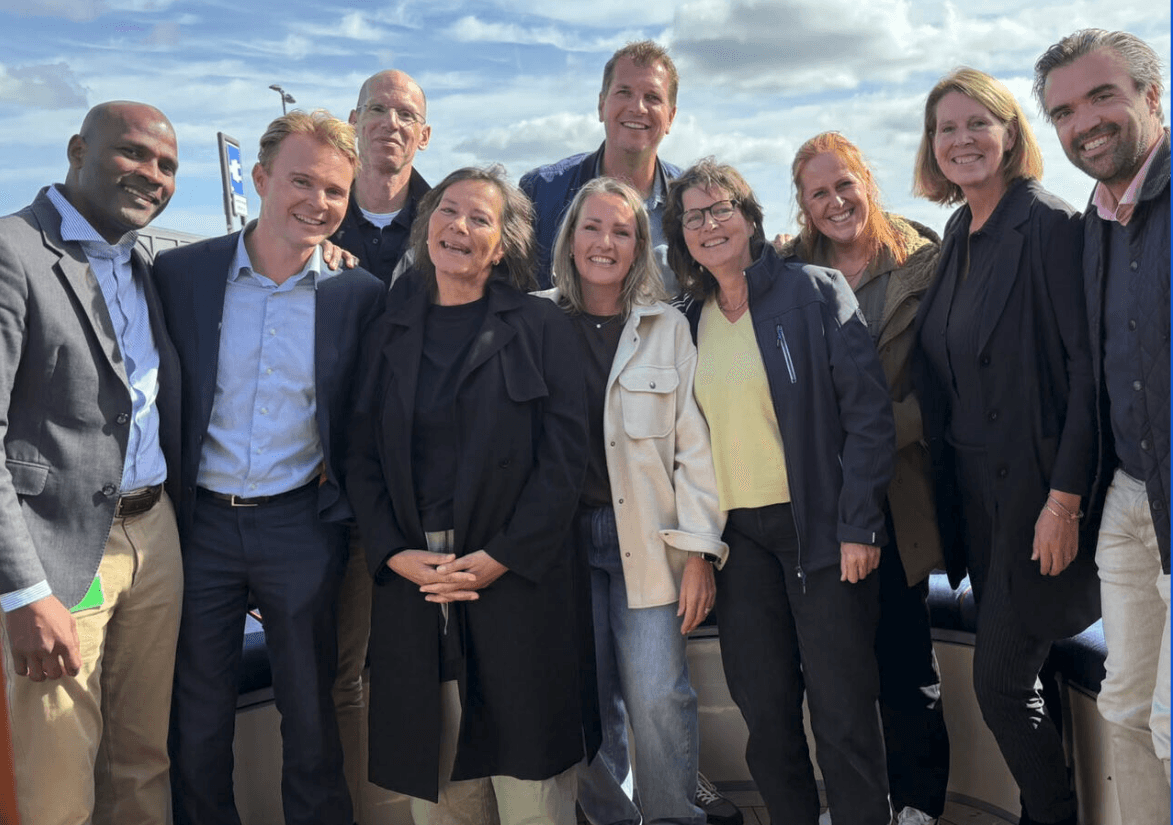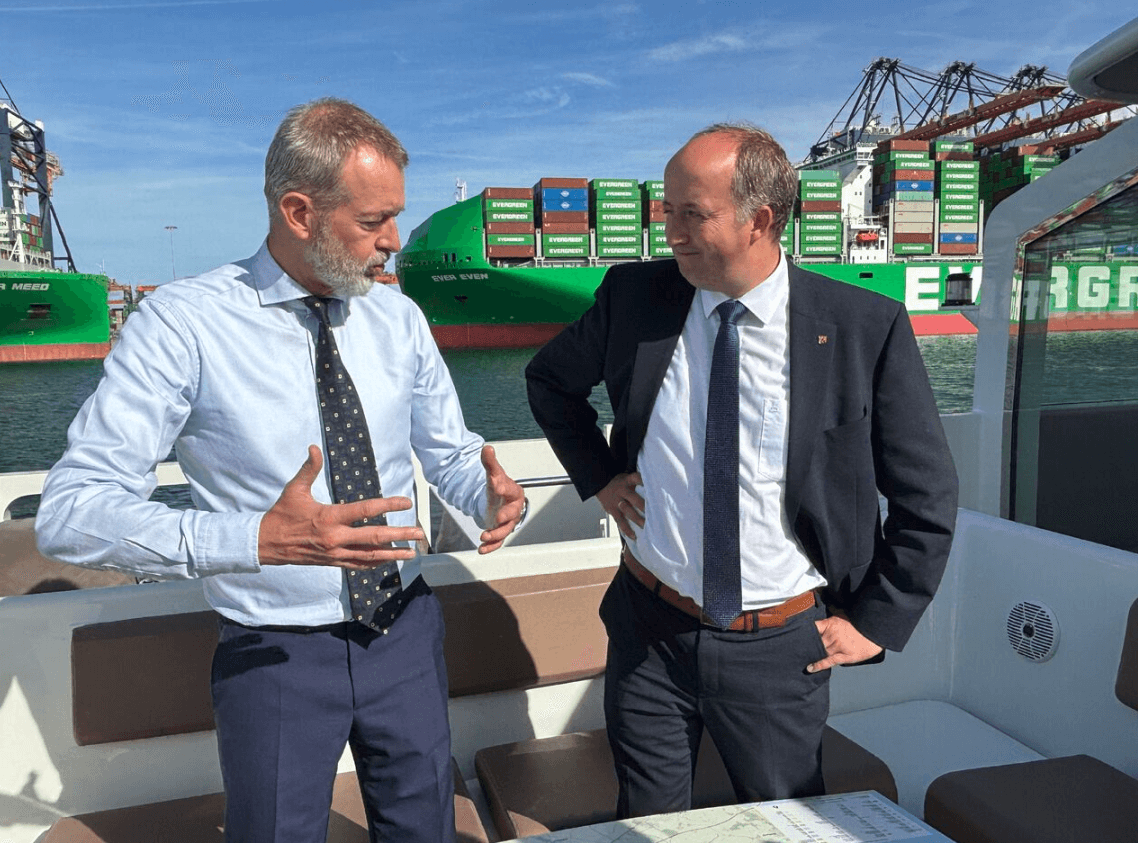
The Port of Rotterdam and the German federal state of Rhineland-Palatinate are jointly investigating improvements to the reliability of transport along the Rhine River. A key focus of this collaboration is the development of infrastructure for the transportation of carbon dioxide (CO2). This initiative is driven by German industrial sectors considering the use of barges and rail connections to access Dutch carbon capture and storage (CCS) facilities.
Specifically, the Porthos and Aramis projects in the Netherlands are central to these cross-border decarbonization plans. Enhancing these logistical connections is crucial for facilitating the capture and storage of industrial CO2 emissions, thereby supporting broader climate goals.
For freight forwarders and logistics managers, this collaboration signifies potential long-term shifts in cargo flows and infrastructure investment. Improved Rhine reliability could offer more consistent inland waterway options for various goods, while the development of CO2 transport infrastructure points to emerging specialized logistics requirements for industrial decarbonization projects. This could create new opportunities in project cargo and specialized bulk transport, requiring forwarders to adapt to new commodity types and regulatory frameworks for CO2 movement.