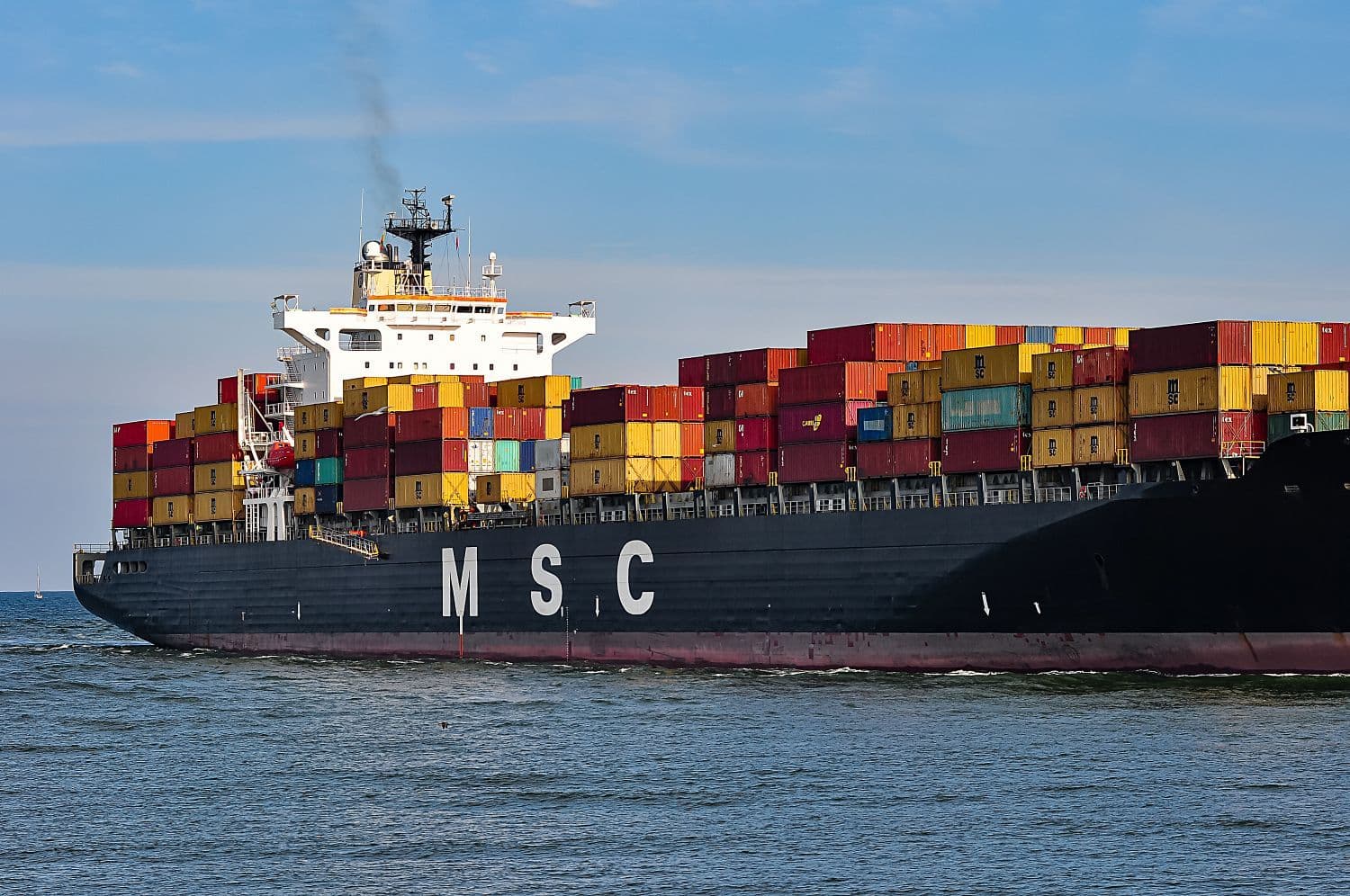
MSC, the world's largest container shipping line, has reportedly ordered 20 new ultra-large container vessels (ULCVs) from Hengli Heavy, a shipyard with which it has a partnership. Each of these new ships will have a capacity of 24,000 TEU, indicating a substantial expansion of MSC's fleet.
This order significantly impacts the global shipbuilding landscape. According to Linerlytica, the total backlog for new container vessels has now reached the equivalent of 46.5% of the current operational container ship fleet. This figure represents the highest level recorded since 2009, highlighting a robust period of new vessel construction.
For freight forwarders and shippers, this massive order signals a future increase in ocean freight capacity, particularly on major trade lanes where ULCVs are typically deployed. While the immediate impact on rates and capacity is negligible, the long-term outlook suggests potential downward pressure on freight rates as more vessels enter service. Forwarders should monitor delivery schedules to anticipate shifts in market dynamics and plan their long-term contracts accordingly. The influx of such large vessels could also lead to changes in network design and port calls, potentially affecting transit times and port congestion at key hubs capable of handling these mega-ships.