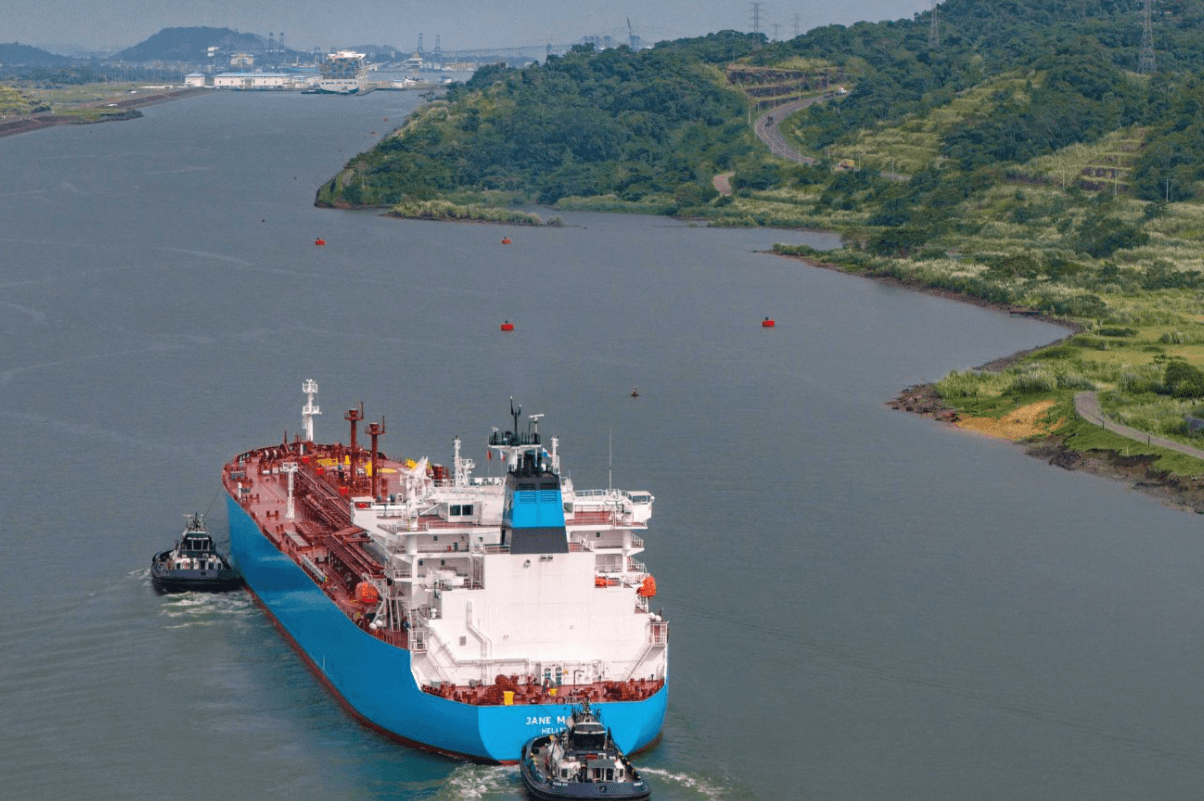
Maersk Tankers has received conditional financial backing from the European Union's Innovation Fund for its RIPPLE project. This initiative focuses on converting existing very large ammonia carriers (VLACs) to operate on ammonia fuel through engine retrofits. The project aims to significantly decrease greenhouse gas emissions from the shipping sector, aligning with broader decarbonization goals.
This funding is contingent upon Maersk Tankers securing firm commitments from its customers and successfully finalizing the grant agreement with the European Union. The RIPPLE project represents a significant step towards developing and implementing alternative fuel solutions for maritime transport.
For freight forwarders and shippers, this development signals a potential shift towards more sustainable shipping options in the future. While immediate impacts on rates or capacity are unlikely, the long-term success of such projects could lead to the availability of greener shipping services, potentially influencing carrier selection and supply chain sustainability strategies as emission regulations tighten. It underscores the industry's move towards alternative fuels, which may eventually translate into new compliance requirements or premium services for low-emission transport.
The next steps involve Maersk Tankers securing the necessary customer agreements and completing the formal grant process with the EU. Successful execution could pave the way for wider adoption of ammonia as a marine fuel, contributing to the industry's decarbonization targets.