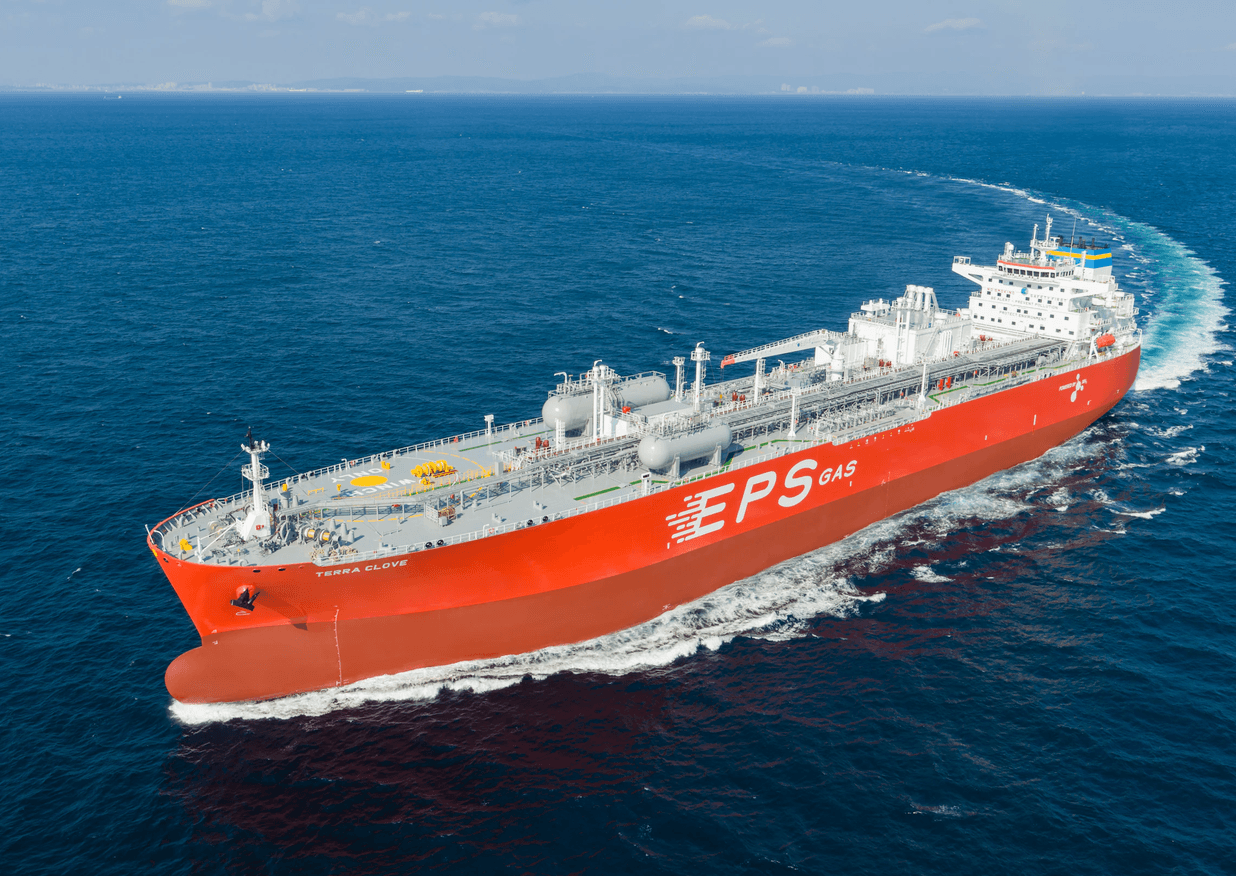
The World Shipping Council (WSC) has reported that as of September, the global fleet includes 503 operational dual-fuel container ships and vehicle carriers. This marks a significant 41% increase from the 358 vessels recorded at the same time last year. Furthermore, the WSC's Dual-Fuel Fleet Dashboard indicates that an additional 849 such ships are currently on order, highlighting a clear preference for alternative-fuel-capable vessels in new construction projects.
This growth underscores the maritime industry's ongoing efforts to transition towards more sustainable shipping practices. Dual-fuel technology allows vessels to operate on conventional fuels as well as cleaner alternatives, such as LNG, methanol, or ammonia, reducing greenhouse gas emissions.
For freight forwarders and shippers, this trend signifies a future where a larger portion of the global fleet will be equipped with advanced propulsion systems. This could lead to shifts in bunker availability and pricing, potentially influencing operational costs and routing decisions. As more eco-friendly vessels enter service, it may also support shippers' sustainability goals and compliance with evolving environmental regulations, such as the EU ETS. The dominance of alternative-fuel orders suggests a long-term commitment by carriers to decarbonize, which will eventually impact the entire supply chain through potentially higher, but more stable, freight rates reflecting the investment in green technology.
The continued strong orderbook for dual-fuel ships suggests that carriers are actively preparing for stricter environmental regulations and increasing demand for greener logistics solutions. This strategic investment is expected to shape the future landscape of maritime transport.