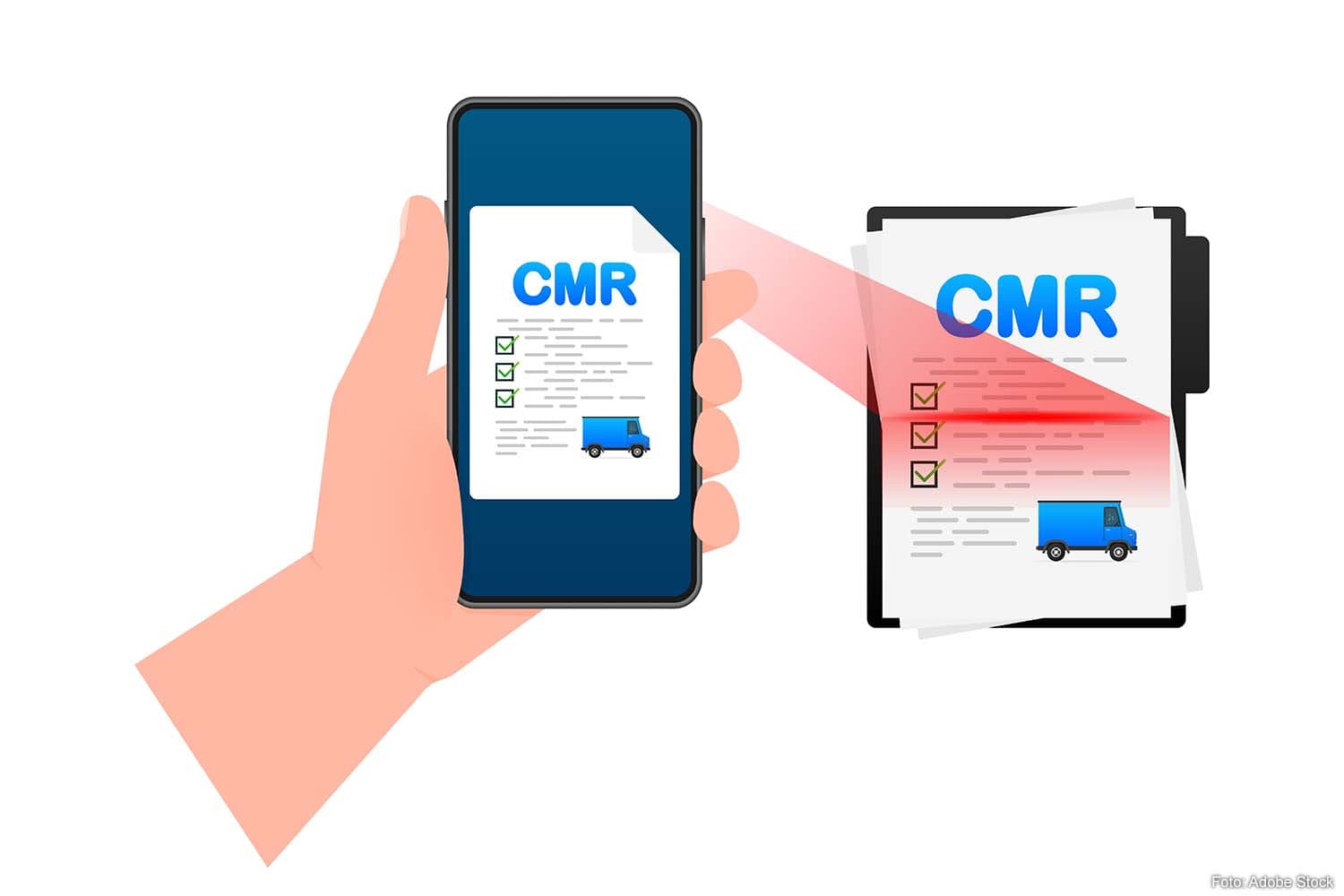
The Convention on the Contract for the International Carriage of Goods by Road (CMR Convention), which provides the legal framework for international road freight, has reached its 70th year. Despite its widespread application to approximately 280 million international road transport movements annually, the adoption of electronic consignment notes (eCMR) remains exceptionally low, accounting for less than one percent of these shipments.
This slow uptake highlights a significant gap in the digitalization efforts within the road transport sector. The International Road Transport Union (IRU) is advocating for a more rapid implementation of digital solutions to enhance efficiency and streamline operations.
For freight forwarders and operations managers, the limited use of eCMR means that a substantial portion of international road shipments still relies on paper documentation. This can lead to administrative burdens, slower processing times, and reduced visibility compared to digital alternatives. Increased eCMR adoption would simplify cross-border procedures, improve data accuracy, and potentially accelerate customs clearance, offering tangible benefits in operational efficiency and cost reduction.