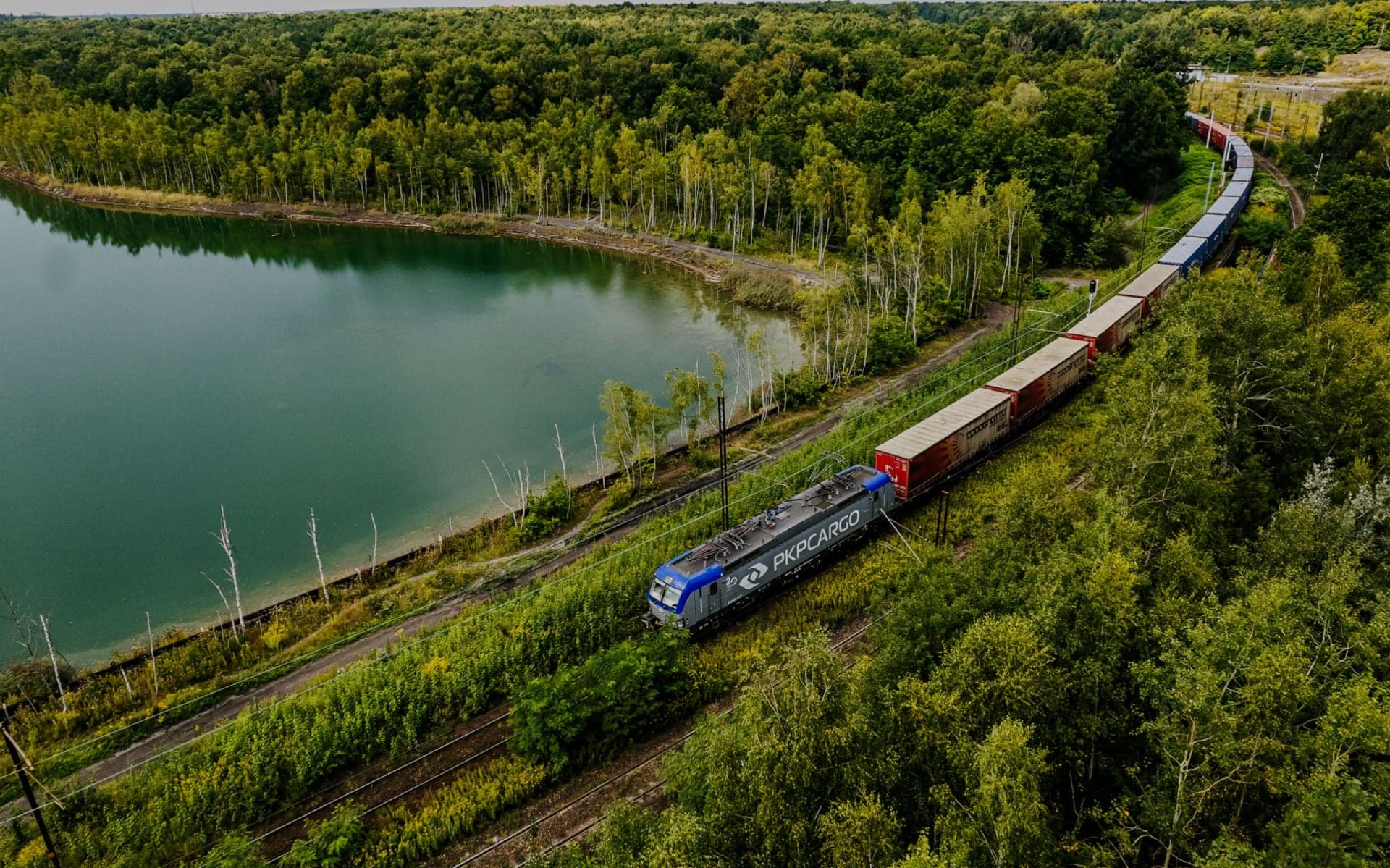
Alan Beroud, the CEO of PKP, Poland's national railway operator, has issued a warning that the rising costs associated with traction energy are jeopardizing the sustainability of rail freight operations. A primary factor contributing to this increase is the European Union's Emissions Trading Scheme (EU ETS).
The EU ETS aims to reduce greenhouse gas emissions by putting a price on carbon, requiring companies to buy allowances for each tonne of CO2 they emit. While intended to incentivize cleaner operations, the scheme's impact on energy prices directly affects the operational expenses for electric-powered rail freight.
For freight forwarders and logistics managers, this development signals potential increases in rail freight rates, particularly for routes within or through the EU. Higher operating costs for rail operators may lead to surcharges or adjustments in contract pricing, making rail less competitive compared to other transport modes if not managed effectively. This could also complicate efforts to shift cargo from road to rail for decarbonization targets.
While the article does not specify immediate next steps, the ongoing discussion around the EU ETS and its impact on various industries suggests that stakeholders, including rail operators and policy makers, will likely continue to assess and potentially debate the scheme's implementation and its effects on the competitiveness and sustainability goals of the rail freight sector.