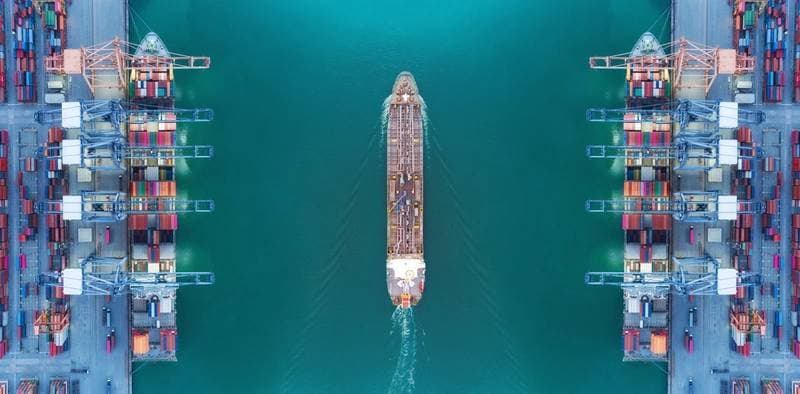
AMSBarging has recently enhanced its inland tanker fleet by introducing the 9,000 cubic meter vessel, Felicitas. Operating out of Rotterdam, this new tanker is equipped with a diesel-electric propulsion system, offering improved operational efficiency. A key feature of the Felicitas is its readiness for methanol bunkering, positioning AMSBarging to meet evolving marine fuel demands and efficiency standards across European waterways.
This development reflects a broader trend within the European shipping sector, where operators are increasingly investing in vessels capable of utilizing alternative fuels. The move towards methanol-ready ships is a strategic response to impending environmental regulations and the growing industry focus on decarbonization.
For freight forwarders and logistics professionals, the introduction of such vessels signifies a gradual shift in inland shipping capabilities. While the immediate impact on rates or capacity might be minimal, it indicates a future where more sustainable transport options will be available for bulk liquid cargo. Shippers looking to reduce their supply chain emissions may find these types of vessels increasingly relevant, potentially influencing carrier selection for certain routes or commodities as methanol bunkering infrastructure develops.
This addition aligns with the ongoing efforts by European shipping companies to modernize their fleets and prepare for a future with stricter emissions targets and a greater reliance on cleaner energy sources.