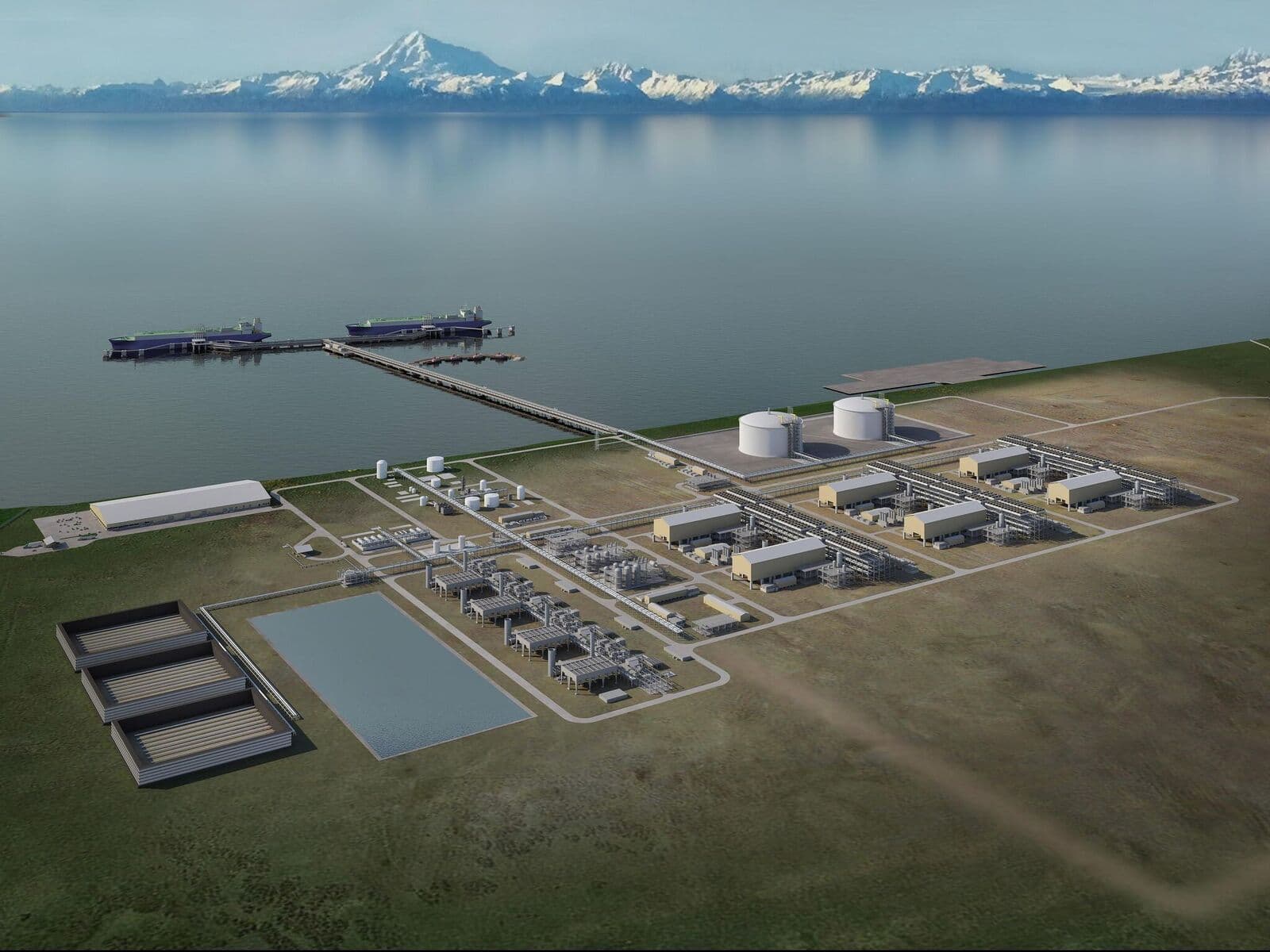
The Alaska LNG export project, designed to produce 20 million tons of liquefied natural gas annually, is facing economic viability concerns due to its estimated $54 billion development cost. This figure is reportedly more than twice the cost of comparable LNG facilities located on the US Gulf Coast. The high capital expenditure for the Alaskan project could significantly impact its competitiveness in the international LNG market.
For freight forwarders and shippers, the economic challenges of the Alaska LNG project could influence future energy supply chains. If the project proceeds despite its high costs, it might lead to higher LNG prices for buyers, potentially affecting the cost of bunker fuels or industrial energy for manufacturing. Conversely, if the project struggles to secure investment or off-take agreements due to its cost, it could mean a continued reliance on existing LNG sources, primarily from the US Gulf Coast or other global producers, without a new major supply point in the Pacific region.
The current focus on the project stems from a push by US President Donald Trump to direct South Korean investment towards this Alaskan venture. The substantial cost difference between the Alaskan and Gulf Coast projects highlights the unique logistical and construction challenges associated with developing large-scale energy infrastructure in remote Arctic regions.