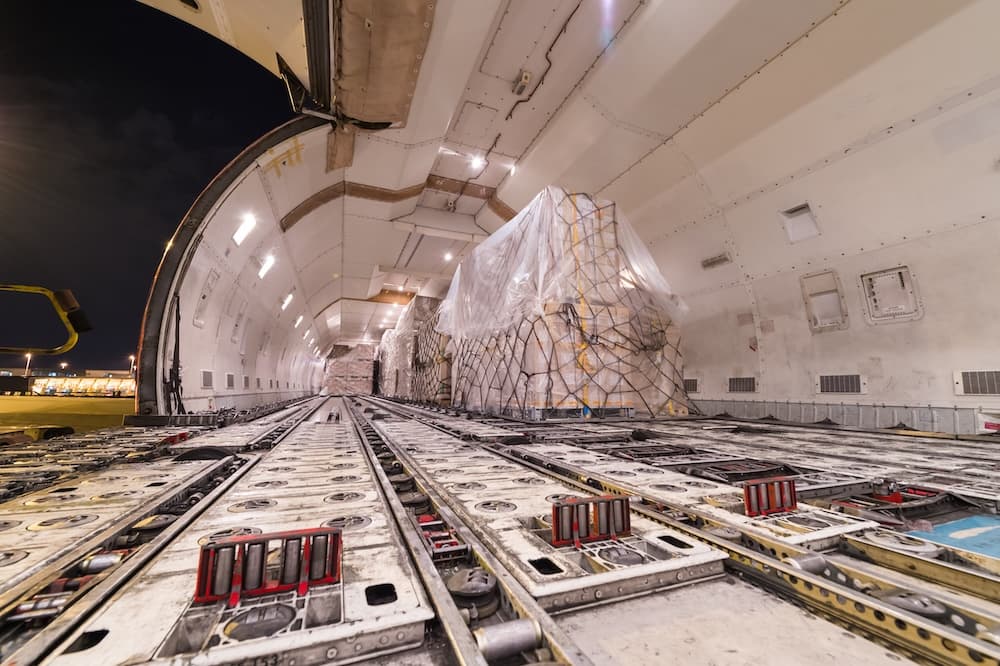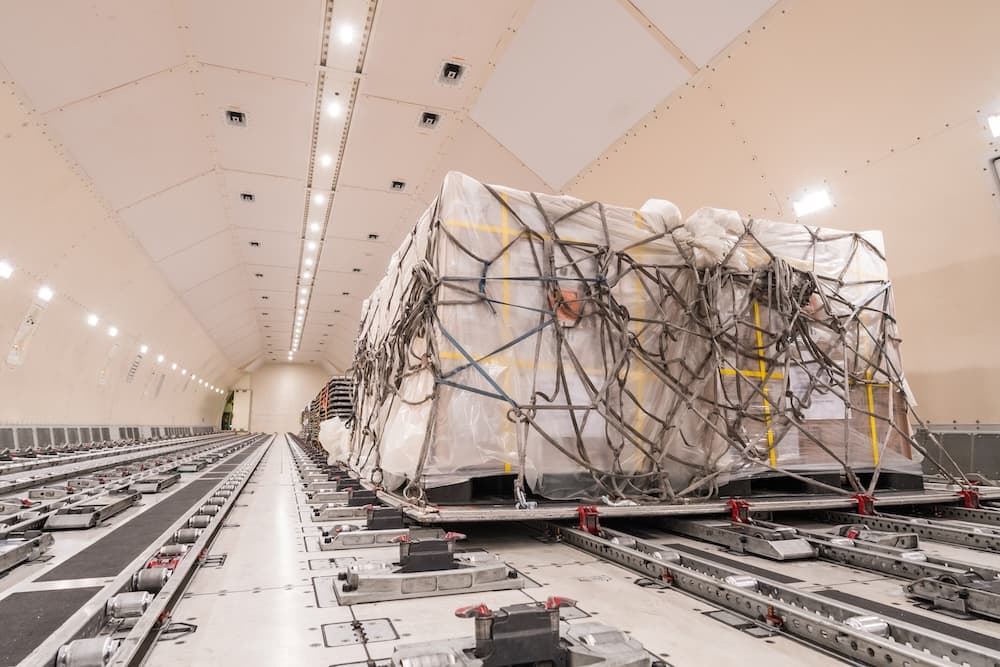
African airfreight growth is currently hampered by several key factors, including elevated operating expenses, an aging fleet of aircraft, and insufficient cargo infrastructure. Additionally, routes are often indirect, increasing transit times and costs. The implementation of the Single African Air Transport Market (SAATM) has been slow, and many bilateral air service agreements remain outdated, collectively hindering the development of robust intra-African air connectivity.
This situation has led to the emergence of competing strategies among carriers. For instance, Aglow Air is focusing on short-haul routes within West Africa, utilizing ATR freighters to serve this niche. Meanwhile, established carriers like Kenya Airways Cargo and TAAG are also developing their own strategies to navigate these market complexities.
For freight forwarders and operations managers, these challenges translate into higher air cargo rates, limited direct routing options, and potential delays when moving goods across the continent. The fragmented market and lack of seamless connectivity necessitate more complex logistics planning and potentially higher reliance on multimodal solutions or transshipment points outside Africa. Improved infrastructure and the full realization of SAATM would significantly streamline operations and reduce costs for shippers and forwarders.