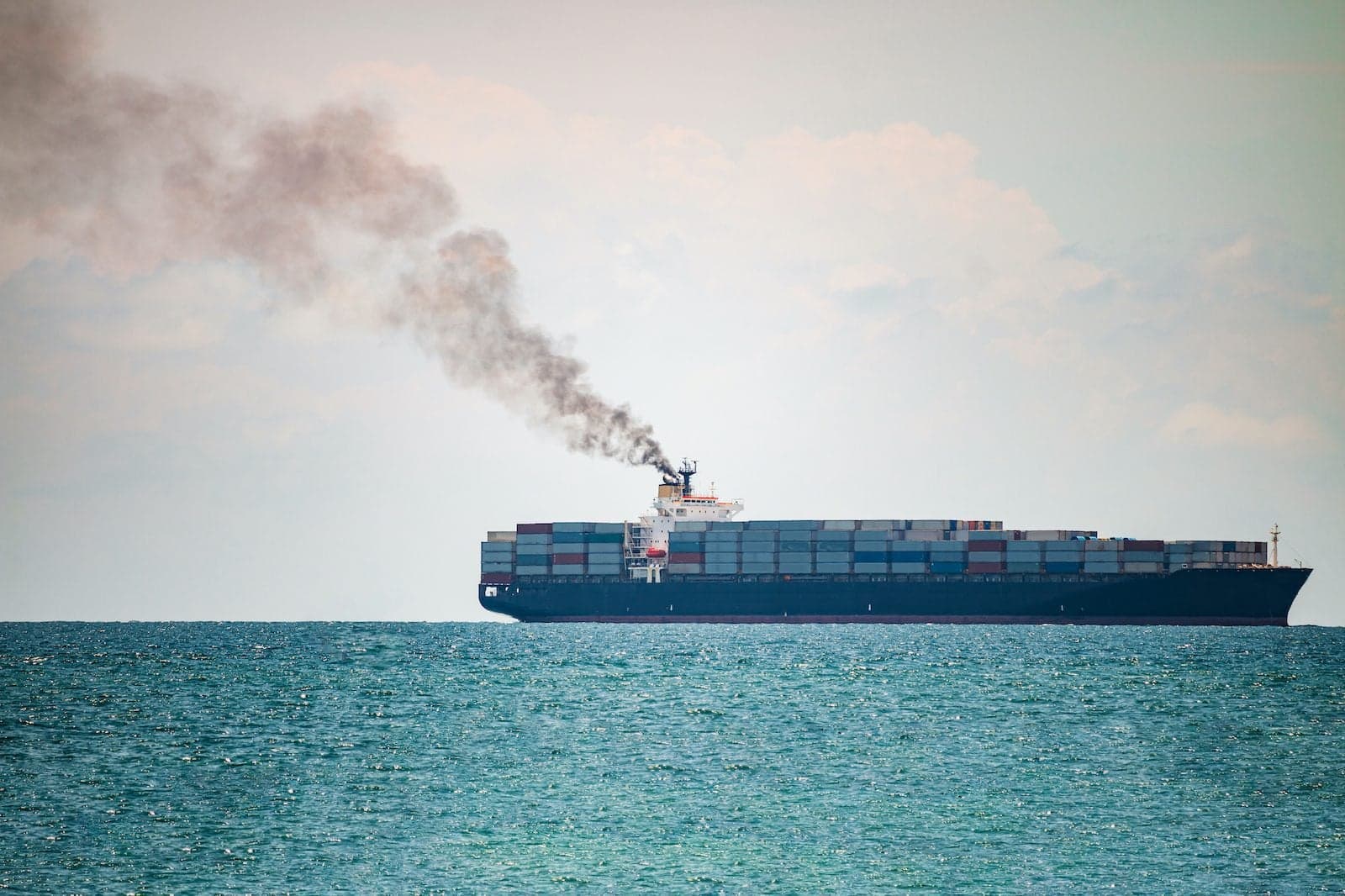
The maritime sector's fuel landscape for the next few decades will be predominantly shaped by engine choices made in the current decade. With vessels typically operating for 25 to 30 years and only about 4% of the global fleet being renewed annually, newbuild orders placed now will largely dictate the engine capacity available to consume various fuels by 2050.
However, the mere presence of engines capable of using new fuels, such as dual-fuel systems that can switch between conventional and alternative options, does not guarantee their widespread adoption. The actual consumption of these newer, often greener, fuels will be primarily driven by their economic competitiveness and consistent availability in key bunkering ports.
For freight forwarders and shippers, this presents a complex challenge in long-term planning. The uncertainty surrounding future fuel prices and infrastructure for alternative fuels makes it difficult to forecast operational costs and select optimal vessel routes. Forwarders must monitor developments in fuel technology and pricing closely to advise clients on potential rate impacts and supply chain resilience. The industry's transition to decarbonization relies not just on technological readiness but also on the commercial viability of sustainable fuel options.