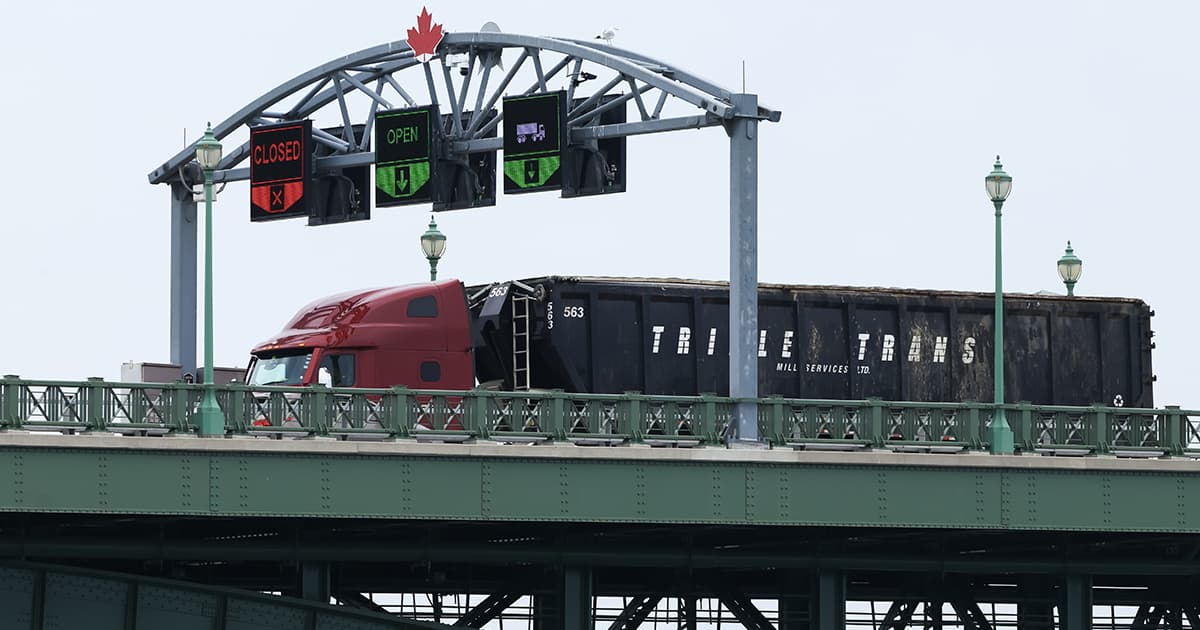
Effective October 22, US Customs and Border Protection (CBP) will no longer accept casual or incomplete documentation for international mail entering the United States. This regulatory shift means that all incoming international mail shipments must adhere to more stringent paperwork standards to avoid operational disruptions.
The new policy is designed to enhance security and compliance for goods arriving via postal services. Previously, some international mail could clear customs with less formal declarations, but this will change, requiring more detailed and accurate information from senders.
For freight forwarders and logistics professionals, this development signifies a need for increased vigilance regarding the documentation accompanying international mail imports. Shipments with insufficient or incorrect paperwork risk being significantly delayed, rejected at the border, or even returned to their origin. This could particularly impact e-commerce logistics, where high volumes of smaller packages often rely on streamlined customs processes. Forwarders should proactively communicate these updated requirements to their clients, especially those involved in direct-to-consumer international shipping, to ensure compliance and prevent service interruptions.
While the source does not specify further actions, it implies that non-compliance could lead to financial penalties or increased scrutiny for repeat offenders. Shippers and forwarders should prepare by reviewing their current documentation practices for international mail and making necessary adjustments to meet the CBP's enhanced standards.