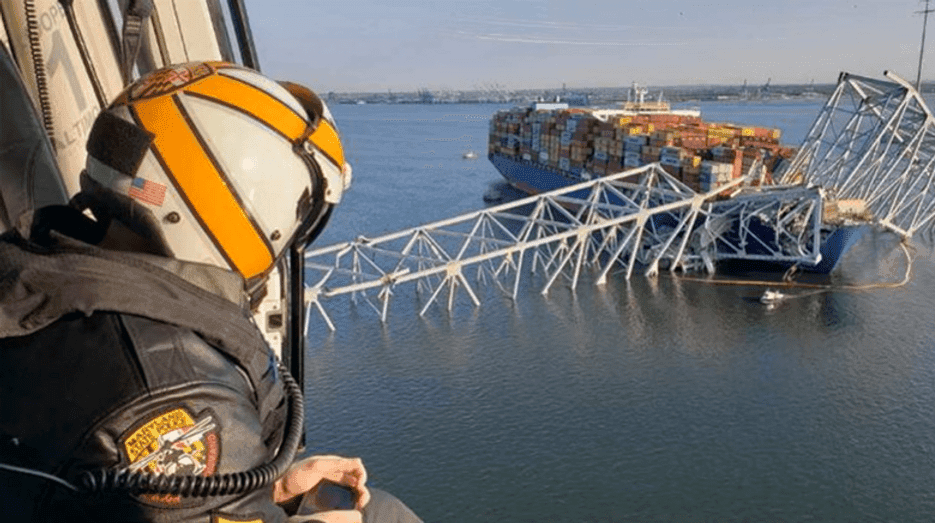
The U.S. Coast Guard has released a comprehensive review assessing the vulnerabilities of critical port infrastructure across the United States. This review was initiated following the collapse of Baltimore's Francis Scott Key Bridge in 2024. The key finding indicates that existing waterways and port designs are increasingly challenged by the growing size of modern commercial vessels.
The report suggests that the current infrastructure and operational protocols may not adequately accommodate these larger ships, leading to heightened risks of accidents and disruptions. This includes concerns about vessel maneuverability, channel depths, and the proximity of vital structures like bridges and terminals.
For freight forwarders and operations managers, this report signals potential future changes in port access, navigation requirements, and possibly increased scrutiny on vessel movements. It could lead to new regulations, updated pilotage requirements, or even infrastructure upgrades that might impact vessel schedules and port turnaround times. Any measures taken to mitigate these risks could influence routing decisions and operational planning, potentially adding complexity or costs to port calls.
The Coast Guard's findings are expected to prompt further discussions and potential policy changes regarding port safety and infrastructure development to better adapt to the evolving maritime landscape.