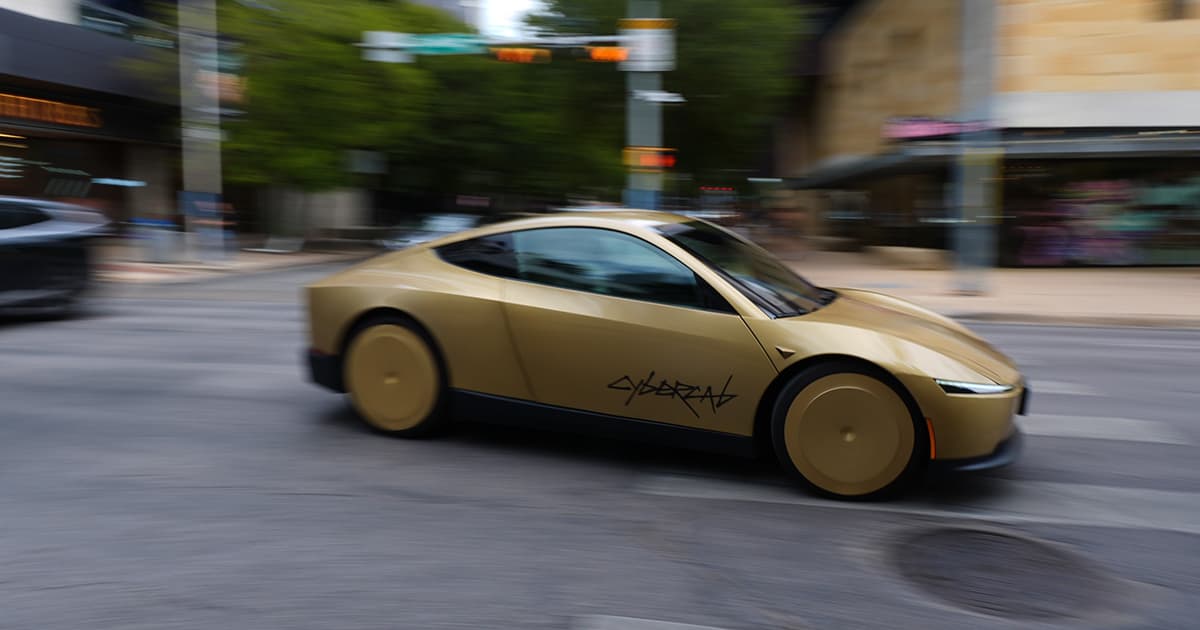
Tesla has officially rolled out its autonomous robotaxi service in Austin, Texas, introducing a fleet of self-driving Cybercabs. These vehicles are designed to operate without human intervention, notably lacking conventional steering wheels and brake pedals. This deployment signifies a major strategic move by Tesla CEO Elon Musk, who is banking on consumers' willingness to embrace fully autonomous rides.
For freight forwarders and logistics operations, while this development directly impacts passenger transport, it signals the accelerating pace of autonomous vehicle technology. Increased public acceptance and regulatory frameworks for autonomous passenger vehicles could pave the way for broader adoption of self-driving trucks and last-mile delivery solutions in the future. This could eventually influence road freight capacity, driver availability, and operational models for inland transportation, potentially leading to more efficient and cost-effective delivery networks. The success or challenges faced by Tesla's robotaxi service will provide valuable insights into the public and regulatory landscape for autonomous technologies across all transport sectors.