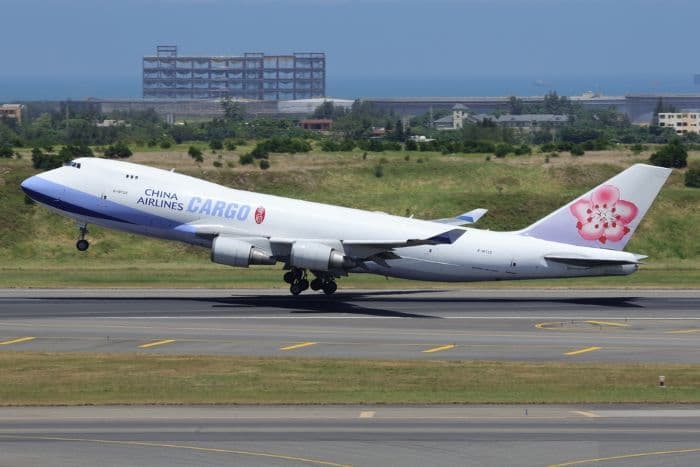
Air freight demand originating from Asia has demonstrated unusual resilience throughout the summer months, a period typically characterized by a slowdown in cargo volumes. This sustained demand is largely attributed to vigorous export activity from Asian manufacturing hubs. The unexpected strength in the market has led to higher-than-anticipated volumes during what is traditionally a quieter season.
For freight forwarders and operations managers, this means that air cargo capacity, particularly on ex-Asia lanes, may have been tighter and rates potentially firmer than historical summer averages. Shippers who typically plan for a mid-year lull might have experienced less flexibility or higher costs for urgent shipments. The continued demand suggests that supply chains are still moving goods at a significant pace, potentially indicating strong consumer demand or inventory replenishment efforts.
However, the outlook for the crucial end-of-year peak season is not entirely clear. Recent observations indicate that air freight rates are beginning to soften. This easing could signal a rebalancing of supply and demand, or it might be an early indicator that the current elevated demand will not persist at the same intensity into the busiest shipping period. Forwarders should monitor rate trends closely and advise shippers on potential fluctuations as the peak season approaches, considering whether to secure capacity early or wait for further rate adjustments.