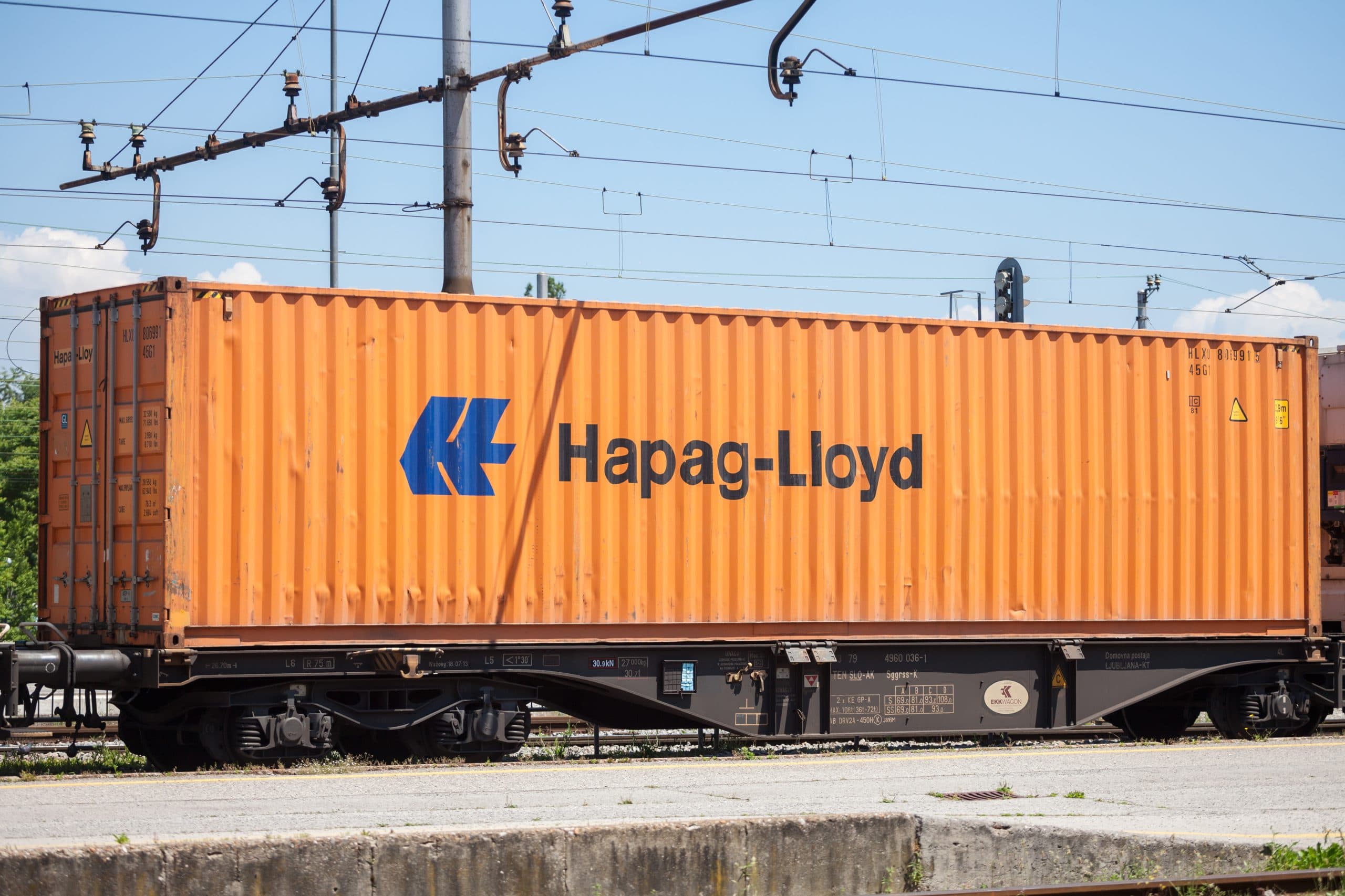
Major container shipping lines are actively pursuing strategies to evolve into integrated logistics providers, extending their services beyond purely ocean transport. This involves a greater focus on rail freight, as carriers aim to offer seamless door-to-door solutions for their customers.
Historically, many shipping lines have outsourced their rail operations. However, a growing trend sees some carriers directly investing in rail infrastructure, rolling stock, or acquiring rail operators. Others are strengthening strategic partnerships with existing rail freight companies to enhance their intermodal offerings and control over the inland leg of the supply chain.
For freight forwarders and operations managers, this development signifies potential changes in how inland transportation is managed. Integrated solutions from carriers could simplify booking processes and potentially offer more competitive rates on certain lanes due to economies of scale. However, it also means forwarders might face increased competition from carriers directly offering these services. Understanding the specific rail networks and partnerships of each carrier will be crucial for optimizing routing and cost for shippers.
This strategic shift is expected to continue as carriers seek to capture more value across the entire logistics chain and provide more resilient and predictable supply chain solutions.