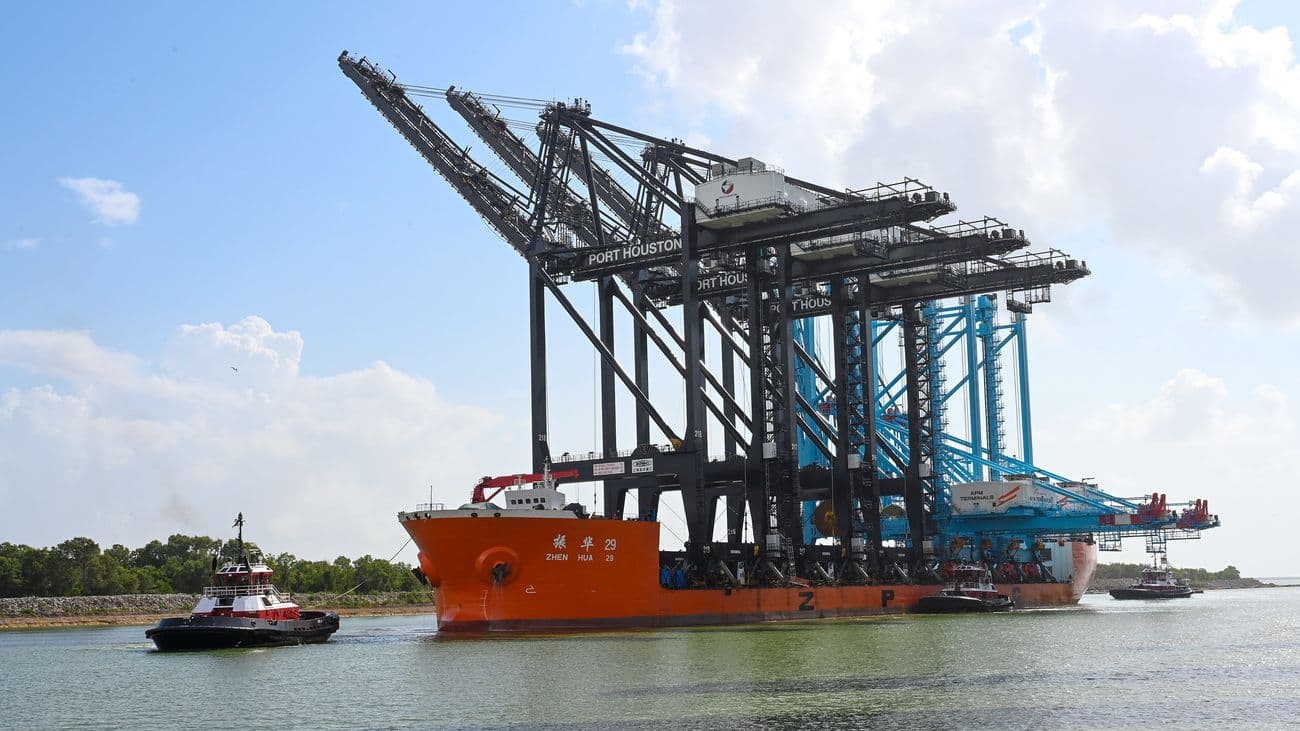
The Port of Houston Authority has issued a new request for proposals (RFP) for ten ship-to-shore (STS) cranes, highlighting significant procurement challenges faced by US terminal operators. The difficulty stems from the need to find suppliers capable of meeting specific technical specifications, adhering to strict delivery schedules, and staying within budget, while also complying with federal cybersecurity mandates.
This situation underscores a broader trend where the acquisition of critical port infrastructure is becoming increasingly complex. Factors such as geopolitical considerations, supply chain disruptions, and the specialized nature of port equipment contribute to a limited pool of viable suppliers.
For freight forwarders and logistics professionals, such delays in port equipment upgrades can impact long-term port efficiency and capacity. While not an immediate disruption, a slower pace of infrastructure development at key ports like Houston could eventually lead to increased vessel turnaround times or congestion if cargo volumes continue to grow. This could influence future routing decisions and overall supply chain planning, potentially affecting transit times and operational costs.
It remains to be seen how the Port of Houston will navigate these procurement hurdles and what adjustments, if any, will be made to attract suitable suppliers for this essential terminal expansion.