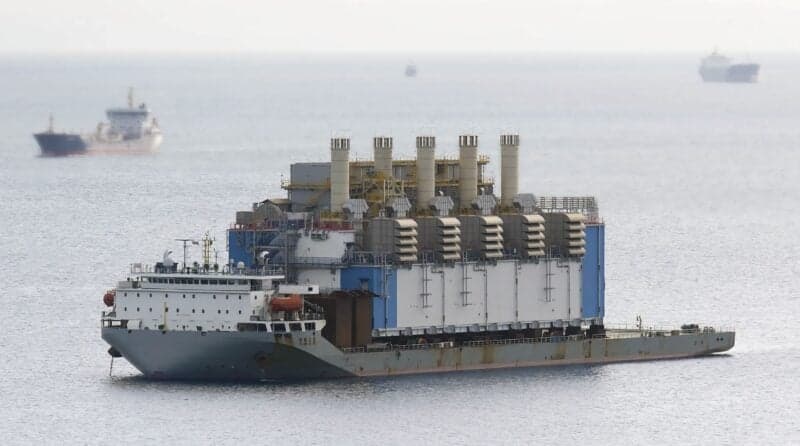
Satellite imagery and vessel-tracking data indicate that two heavy-lift ships, which are under U.S. sanctions, are currently transporting essential power-generation modules from China to Russia's Arctic LNG 2 project. This movement suggests that the supply chains supporting this liquefied natural gas development remain active, despite international sanctions aimed at disrupting its progress.
This development highlights the challenges in enforcing sanctions on complex energy projects, as alternative supply routes and shipping methods appear to be in use. The Arctic LNG 2 project is a significant Russian energy initiative, and its continued development despite sanctions has broader geopolitical implications.
For freight forwarders and supply chain analysts, this situation underscores the complexities of international trade under sanctions. It demonstrates that while direct engagement might be restricted, indirect or alternative channels can still facilitate the movement of critical components. Forwarders must remain vigilant regarding sanction compliance, even when dealing with third-party logistics providers or seemingly unrelated trade lanes, as the ultimate destination or end-user could pose risks. The use of sanctioned vessels also indicates a higher risk profile for any parties involved in such movements.
There is no immediate indication from the source article regarding what specific actions might be taken next by Western nations in response to these continued shipments, or how this might further impact shipping routes or vessel availability.