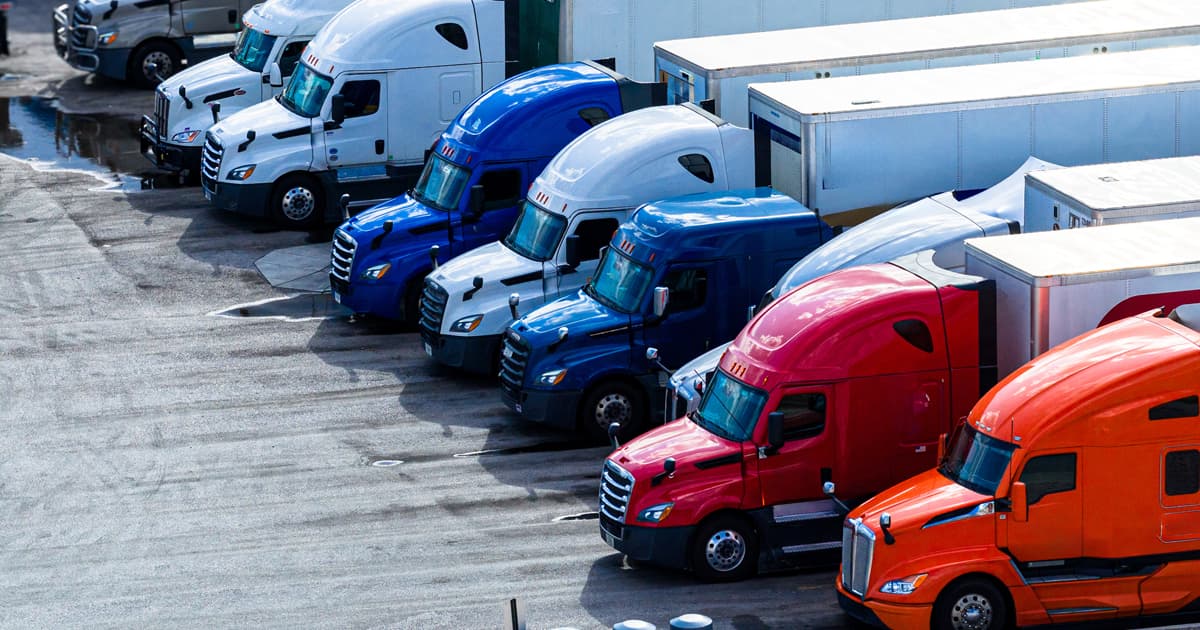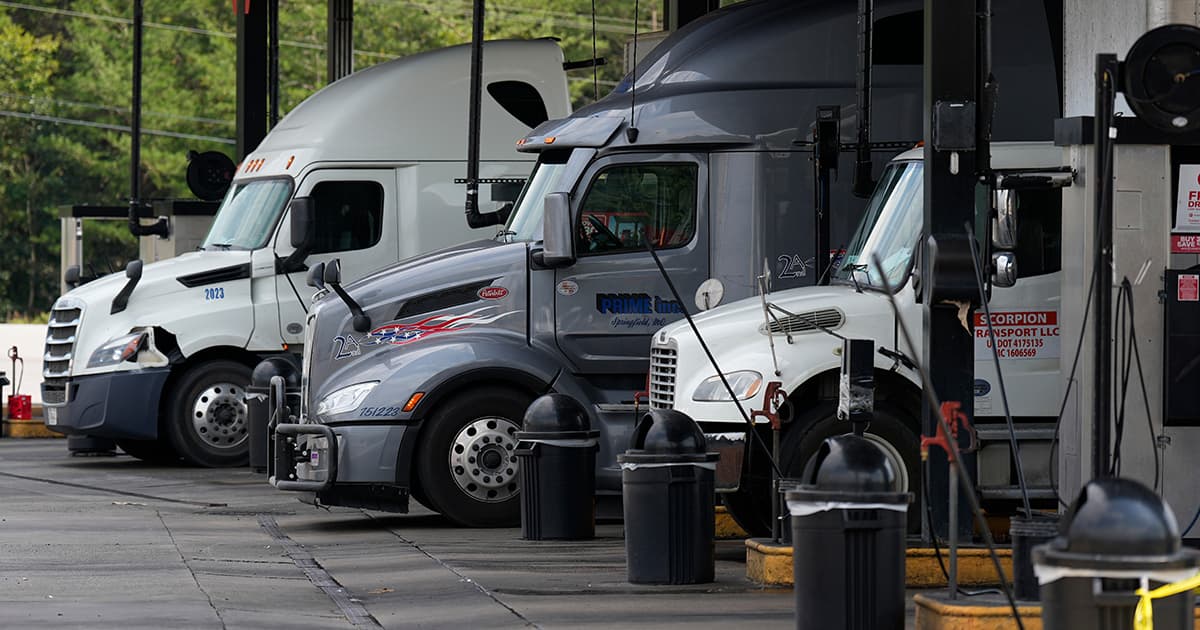
The price of diesel fuel has become a significant talking point in the lead-up to midterm elections, gaining unexpected prominence over the more commonly discussed gasoline prices. This shift reflects the critical role diesel plays in various sectors of the economy, particularly transportation and logistics.
For freight forwarders and operations managers, sustained high diesel prices directly translate into increased operational costs for trucking fleets. This impacts the cost of road freight, which is a crucial component of most supply chains, especially for inland transportation. Higher fuel surcharges are likely to be passed on to shippers, potentially leading to increased overall logistics expenses and, ultimately, higher consumer prices for goods. Forwarders may need to adjust their pricing strategies and potentially explore more fuel-efficient routing or intermodal options where feasible to mitigate these rising costs.
While the article does not specify future developments, the continued political focus on diesel prices suggests that potential policy discussions around fuel taxes, subsidies, or energy independence could emerge, which might further influence the market. Forwarders should monitor these political discussions for any indications of regulatory changes that could affect fuel costs.