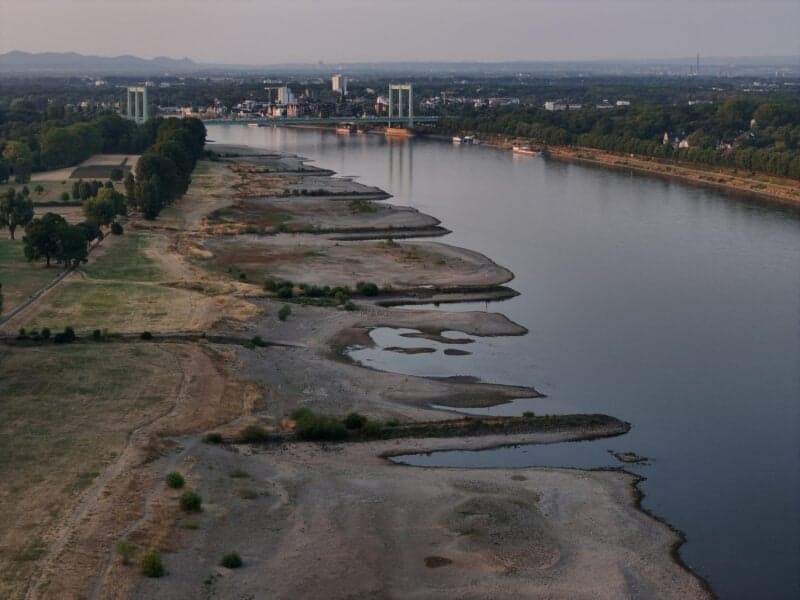
Water levels in the Rhine River have significantly decreased, falling below the critical threshold required for optimal navigation. This situation severely impacts the movement of essential commodities such as coal, oil, and chemicals by barge across Central Europe. The Rhine is a vital artery for industrial supply chains, connecting major economic hubs in Germany, France, and the Netherlands to the North Sea.
For freight forwarders and operations managers, this development means immediate challenges for inland shipping. Reduced water levels necessitate barges carrying lighter loads, leading to increased per-unit freight costs and potentially requiring more vessels to transport the same volume of cargo. This will likely cause delays, necessitate alternative transport modes like road or rail where feasible, and put upward pressure on overall logistics expenses for shipments moving through the region. Shippers should anticipate longer transit times and higher surcharges for Rhine-dependent routes.