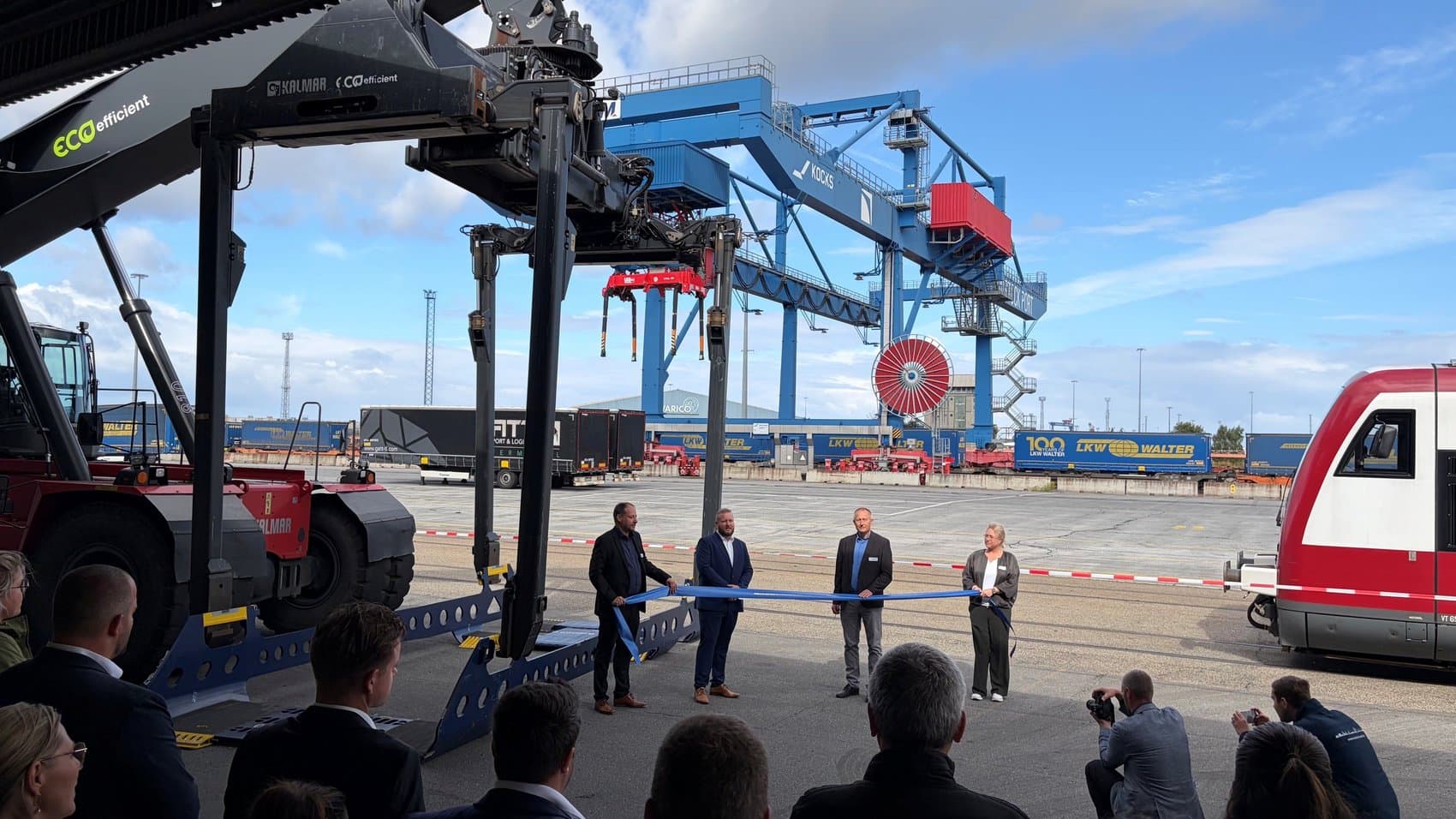
The German Port of Rostock has finished upgrading five of its rail tracks, increasing their operational length from 600 meters to 680 meters. This infrastructure enhancement is designed to significantly improve the port's capacity for handling rail freight. By accommodating longer trains without the need for splitting and rejoining, the port expects to streamline operations, reduce handling times, and enhance overall efficiency for rail cargo.
For freight forwarders and operations managers, this development at Rostock means potentially faster turnaround times for rail shipments moving through the port. The ability to handle longer trains intact can reduce operational complexities and associated costs, offering a more efficient intermodal connection for cargo. This could lead to improved schedule reliability and potentially more competitive transit times for goods moving via rail to and from Rostock.