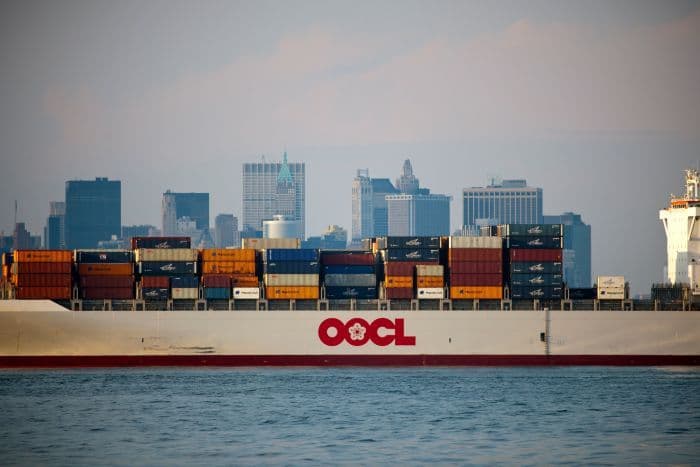
Over half of the container vessels calling at Asia's most active ports are currently facing delays. This significant congestion is largely attributed to a combination of extreme weather conditions and persistent disruptions across global supply chains.
For freight forwarders and operations managers, this situation translates into reduced schedule reliability and potential for increased demurrage and detention charges. Shippers may experience longer transit times and uncertainty regarding cargo arrival, necessitating proactive communication and contingency planning. The ripple effect could also lead to vessel bunching at subsequent ports, further exacerbating delays across various trade lanes.