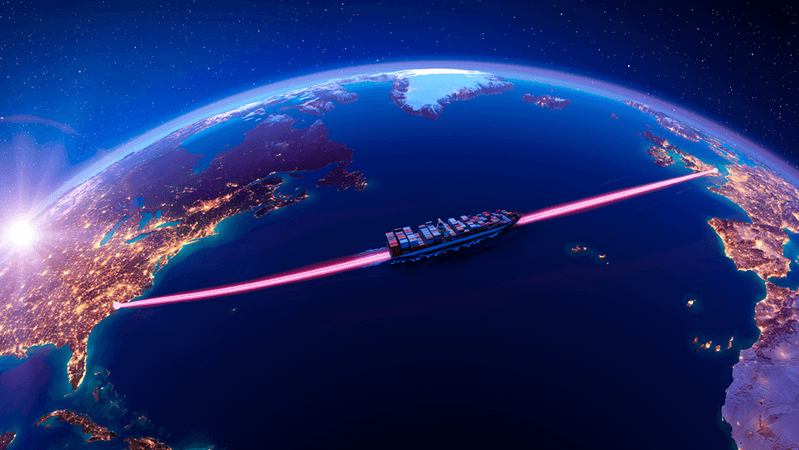
A.P. Moller - Maersk, in partnership with Lloyd’s Register and the ports of Charleston (US) and Felixstowe (UK), has initiated a study to investigate the security and safeguarding protocols necessary for a conceptual nuclear-powered container ship service. The focus is on a transatlantic route connecting the United Kingdom and the United States, examining the practicalities and regulatory frameworks for deploying advanced nuclear propulsion technology in commercial shipping.
This collaboration highlights a growing interest in alternative, zero-emission fuel sources for the maritime industry, driven by increasingly stringent environmental regulations and decarbonization targets. Nuclear power, with its potential for long endurance and zero operational emissions, is being considered as a radical solution to reduce the carbon footprint of global shipping.
For freight forwarders and operations managers, the long-term implications of such a development could be significant. While still in a conceptual phase, the successful implementation of nuclear-powered vessels could lead to more stable transit times due to reduced bunkering needs, potentially impacting schedule reliability. However, it would also introduce new complexities related to port access, regulatory compliance, and specialized handling procedures for nuclear-powered ships, which could affect routing and operational planning. The high initial investment and public perception would also be critical factors in its widespread adoption.
The study aims to lay the groundwork for understanding the challenges and requirements, but no timeline for actual deployment or further steps was indicated in the source.