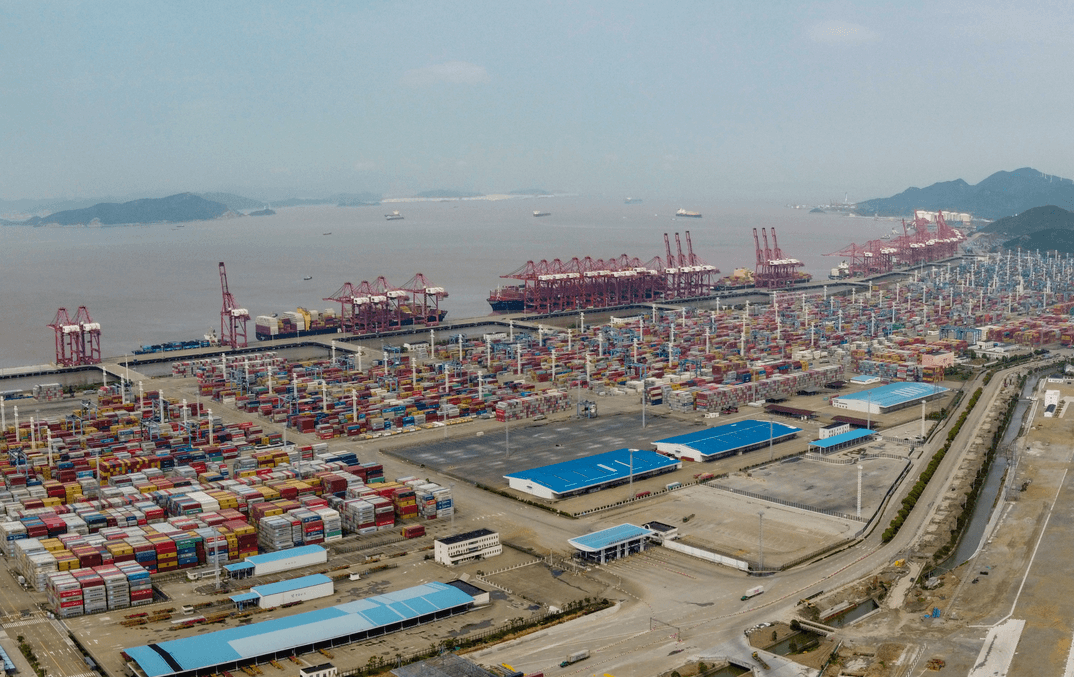
Ningbo Zhoushan Port achieved a significant milestone by surpassing Singapore in container throughput during the first half of 2026. This shift is primarily attributed to a surge in Chinese exports and ongoing terminal expansion projects within the Yangtze River Delta region. As a result, Ningbo Zhoushan now holds the position of the world's second-busiest container port, directly behind Shanghai, which maintains its lead. This development underscores China's increasing influence and capacity in the global maritime trade landscape.
For freight forwarders and operations managers, this ranking change highlights the growing importance and efficiency of Chinese ports. Increased capacity and throughput at Ningbo Zhoushan could lead to more competitive rates and improved schedule reliability for shipments originating from or destined for the Yangtze River Delta. Forwarders should monitor these ports for potential routing advantages and capacity availability, especially for Asia-Europe and Transpacific lanes. The enhanced infrastructure may also mitigate some port congestion risks, offering more stable transit times.
This trend suggests a continued strengthening of China's logistics infrastructure, potentially influencing carrier network designs and port calls in the coming years. Shippers may find greater flexibility and options when planning their supply chains through these major Chinese hubs.