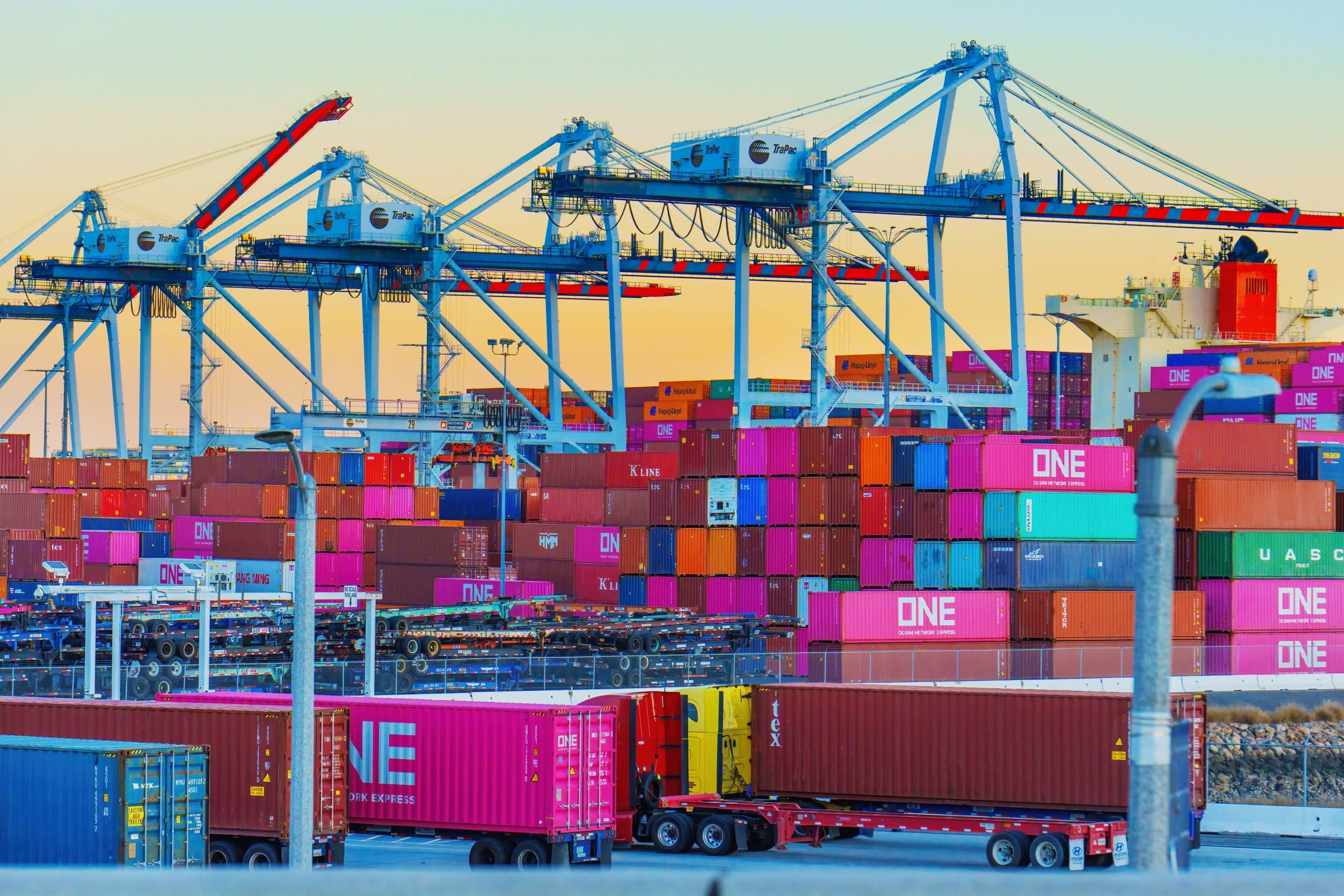
Maersk, the world's second-largest container carrier, is reportedly preparing to place orders for more than 40 new container ships, representing an investment of around $8.9 billion. This substantial fleet expansion initiative has intensified the competition between major shipbuilding nations, specifically South Korea and China, as they vie for these lucrative contracts.
For freight forwarders and operations managers, a significant influx of new, potentially larger container vessels into Maersk's fleet could have several implications. Over time, this could lead to increased overall capacity on key trade lanes, potentially stabilizing or even softening freight rates, assuming demand does not outpace this new supply. The introduction of mega-ships often results in fewer port calls or a focus on hub-and-spoke models, which might influence routing decisions and transit times for certain shipments. Forwarders should monitor the deployment of these vessels to anticipate changes in network design and available capacity on specific services.