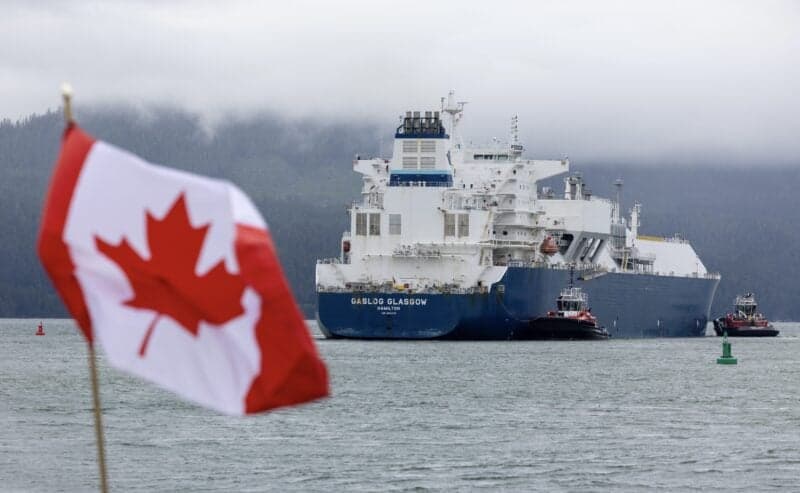
The consortium behind LNG Canada has given the green light for the second phase of its liquefied natural gas (LNG) export facility located in British Columbia. This expansion is projected to double the terminal's production capacity, increasing it to 28 million tonnes of LNG annually. The decision marks a significant development for the global energy market and Canada's role as an LNG exporter.
For freight forwarders and logistics professionals, this expansion signals a future increase in demand for LNG carrier vessels. The doubling of capacity will necessitate more frequent and larger shipments of LNG from Canada to international markets, primarily in Asia. This could lead to increased chartering opportunities for specialized LNG tankers and potentially influence freight rates for this vessel segment. Operations managers should monitor the construction timeline and commissioning of Phase 2 to anticipate the corresponding rise in shipping volumes and plan for potential logistical requirements, such as port calls and bunkering services for the larger fleet.
While the article does not specify an exact timeline for the completion of Phase 2, the approval indicates a firm commitment to the project, suggesting that the increased capacity will come online in the coming years, gradually impacting the global LNG supply chain.