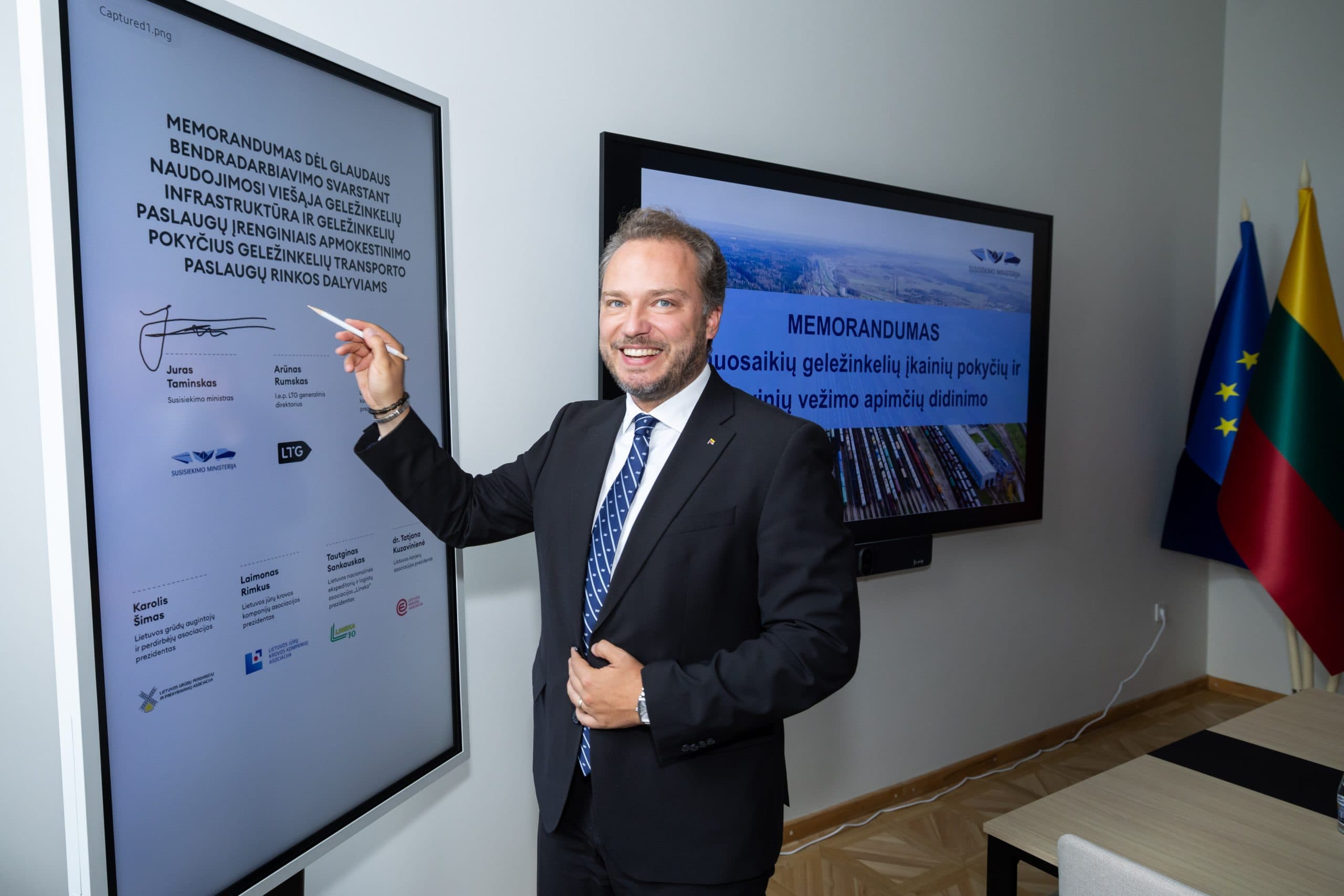
The Lithuanian government, in collaboration with key players in the railway sector and various business associations, has formally signed a memorandum of understanding. This agreement is designed to stabilize freight rates within the country's rail network and significantly boost the overall volume of rail freight.
For freight forwarders and operations managers, this initiative could lead to greater predictability in rail transport costs, making budgeting and quoting more reliable. Increased rail capacity and improved service stability might also offer viable alternatives to road transport, potentially reducing lead times and improving supply chain resilience, especially for East-West corridors. This could be particularly beneficial for cargo moving through the Baltics.
The memorandum aims to create a more attractive environment for shippers to utilize rail, potentially shifting cargo from other modes. This strategic move is expected to enhance Lithuania's position as a transit hub and support economic growth by improving logistical efficiencies.