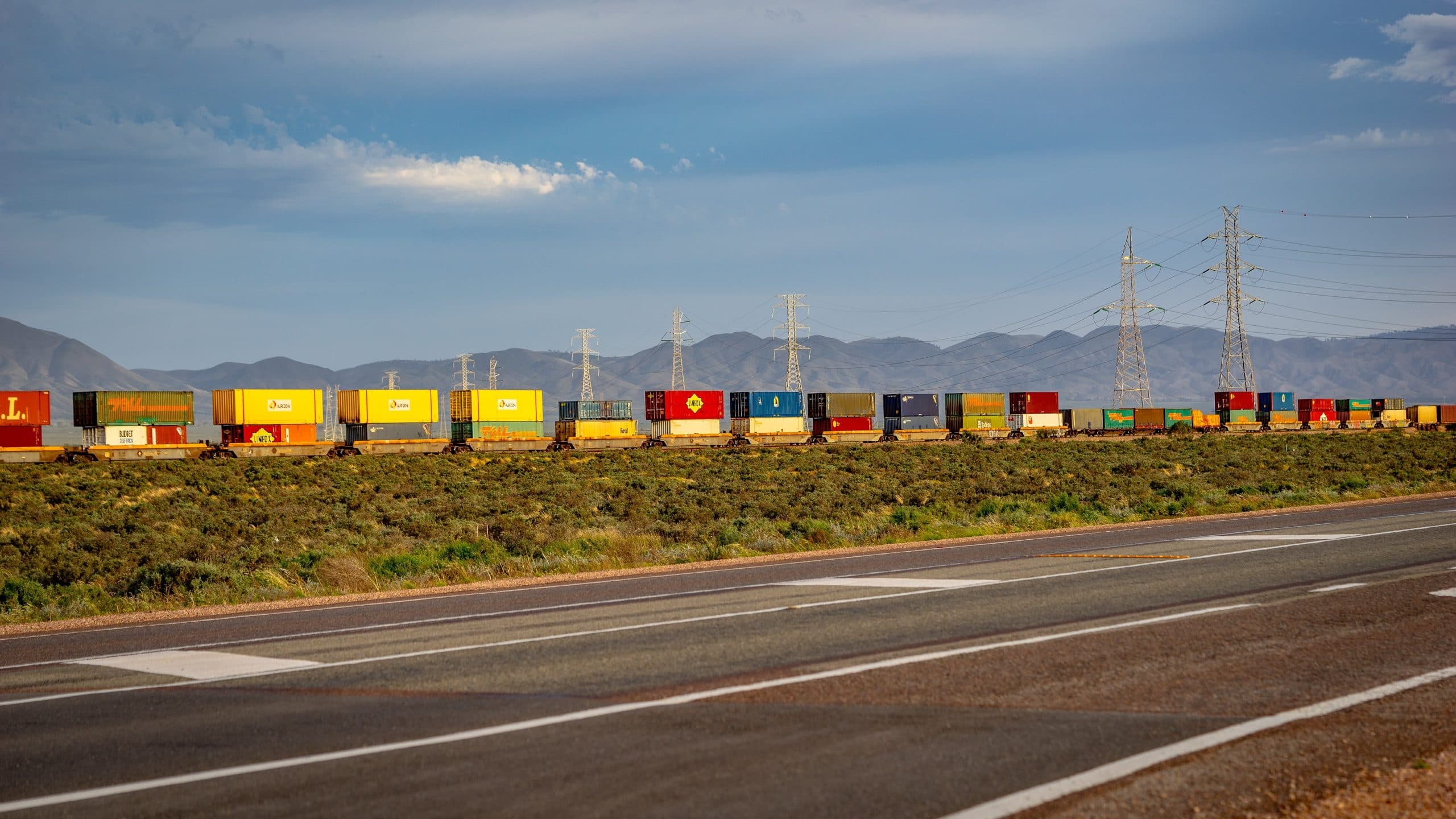
Australia's vast landmass and concentrated coastal populations make rail freight an essential component of its logistics network. The country relies on a complex system of infrastructure owners and freight operators to transport goods efficiently across long distances.
The rail network is primarily divided into two categories: heavy-haul lines, predominantly used for bulk commodities like iron ore and coal, and general freight lines that handle intermodal and diverse cargo types. Key infrastructure owners include government-backed entities and private consortiums responsible for maintaining tracks, signals, and other essential facilities.
For freight forwarders and shippers, understanding the landscape of Australian rail operators is crucial for optimizing inland logistics. The market features a mix of major national and regional players, each with specific service offerings and network coverage. This directly impacts routing decisions, transit times, and cost structures for cargo moving within Australia, especially for intermodal shipments connecting ports to inland distribution hubs. Capacity availability and service reliability can vary between operators and regions, necessitating careful planning.
Future developments in Australian rail freight are expected to focus on network upgrades, increased intermodal capacity, and potentially greater integration between different state and private networks to enhance efficiency and connectivity.