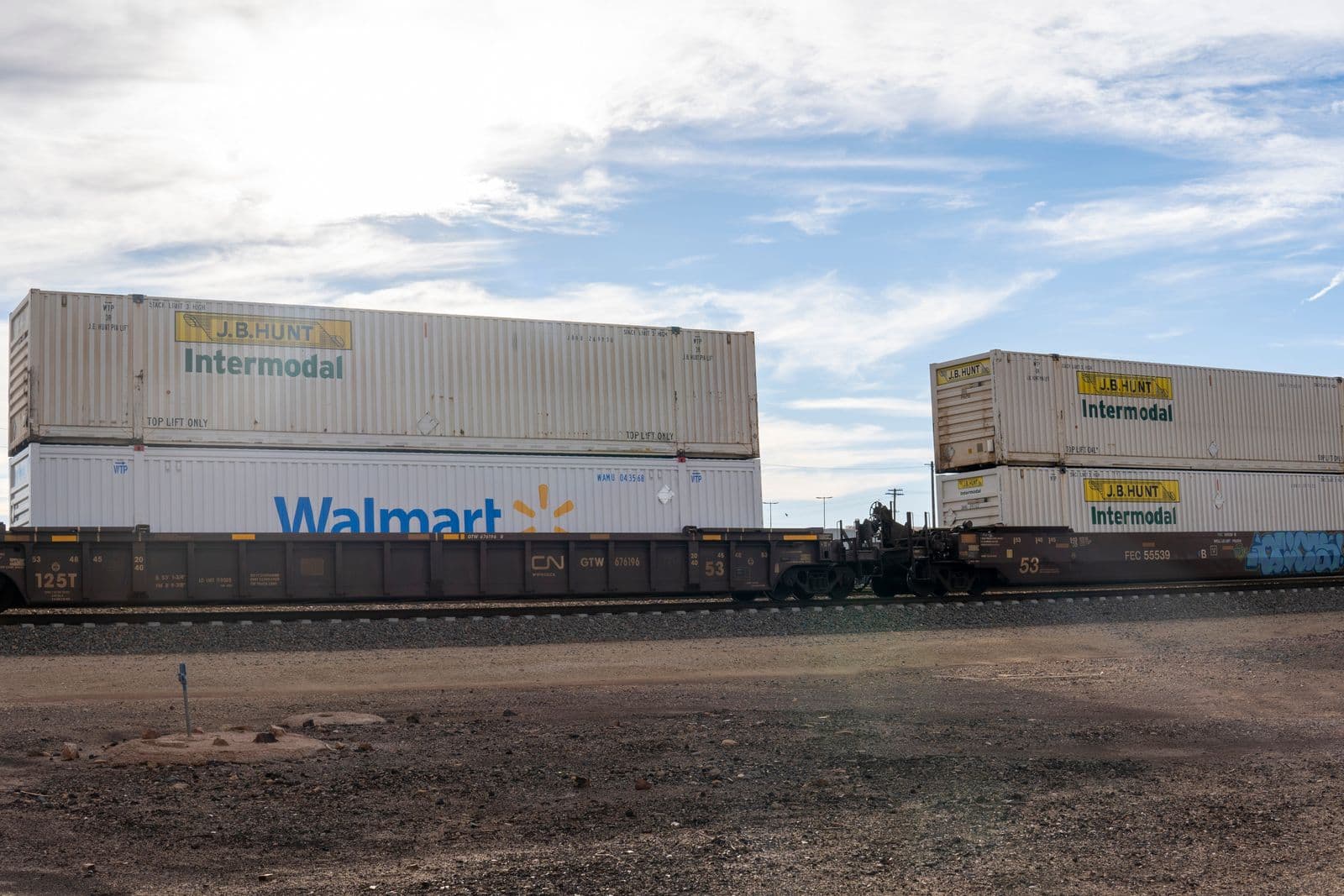
J.B. Hunt is currently managing unprecedented intermodal freight volumes across the United States. This surge in demand has resulted in the company incurring higher costs for drayage drivers, a necessary expense to move containers between rail ramps and customer facilities. The increased drayage expenditure is impacting J.B. Hunt's operational costs even before it can negotiate and secure higher contract rates with its clients.
For freight forwarders and operations managers, this situation signals a constrained drayage market, particularly in key intermodal hubs. The need for J.B. Hunt to pay more for drivers suggests that drayage capacity is tight, potentially leading to longer dwell times at rail ramps or increased drayage surcharges from carriers and third-party logistics providers. Forwarders should anticipate potential delays and higher costs for the inland leg of intermodal shipments, and factor these into their planning and pricing for clients. Proactive communication with drayage partners and early booking will be crucial to mitigate impacts.