At IAA Transportation 2026 in Hannover, Radu Dinescu, President of the International Road Transport Union (IRU), underscored the critical need for closer cooperation among technology companies, transport businesses, and industry associations. This collaboration is essential to navigate the increasing digitalization of road transport effectively. Dinescu highlighted that while digital systems must adhere to regulatory standards, their primary focus should be on practical usability for both transport operators and drivers.
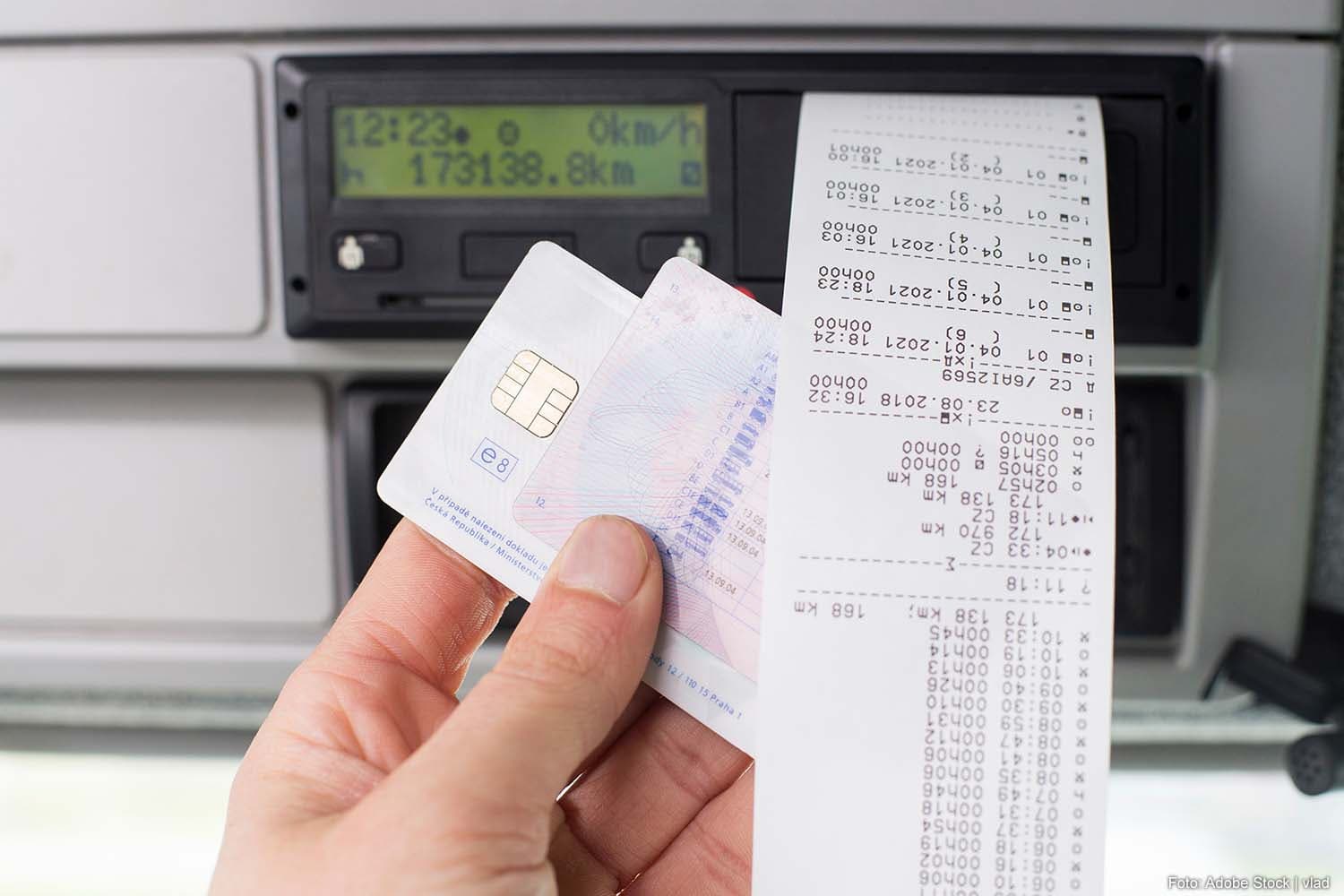
This statement comes as the industry marks twenty years since the introduction of the digital tachograph, a key component in the sector's digital transformation. The ongoing evolution of digital tools, including advanced telematics and data exchange platforms, introduces new vulnerabilities that require proactive management.
For freight forwarders and operations managers, this emphasis on cybersecurity means increased scrutiny on the digital tools and platforms used for fleet management, driver data, and cargo tracking. Ensuring that chosen systems are robust against cyber threats and user-friendly will be paramount to maintaining operational efficiency and data integrity. It also suggests a potential future where compliance might extend beyond data recording to include cybersecurity protocols, impacting IT infrastructure investments and training requirements for staff.
The IRU's call suggests that future developments will likely focus on integrated solutions that prioritize both security and practicality, potentially leading to new industry standards and best practices for digital road transport.