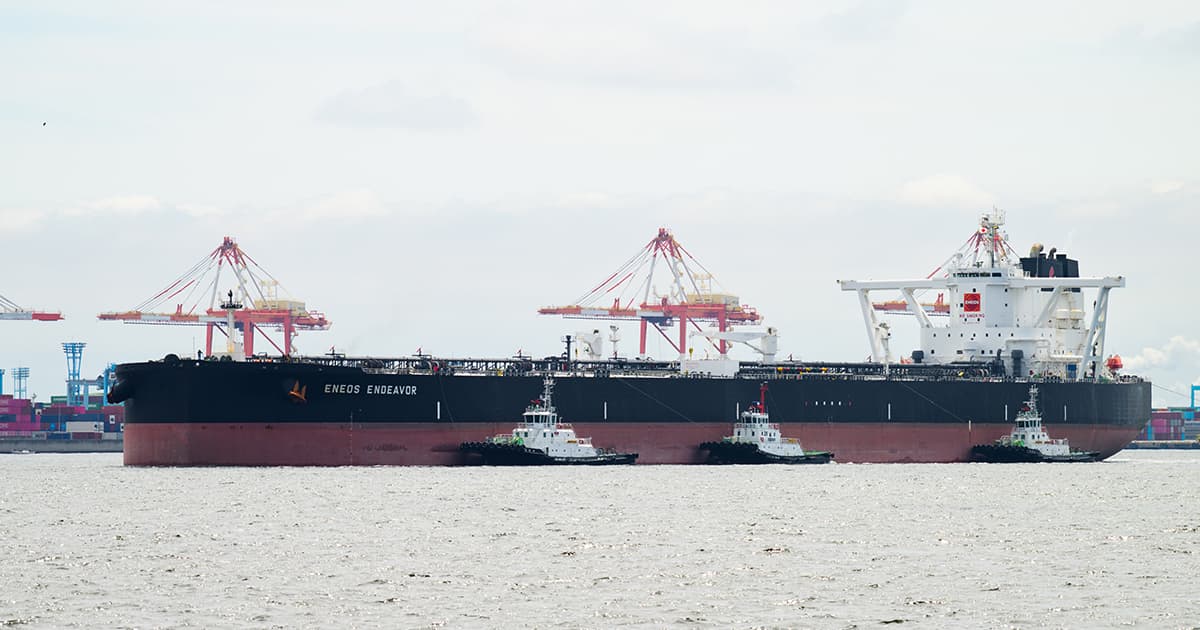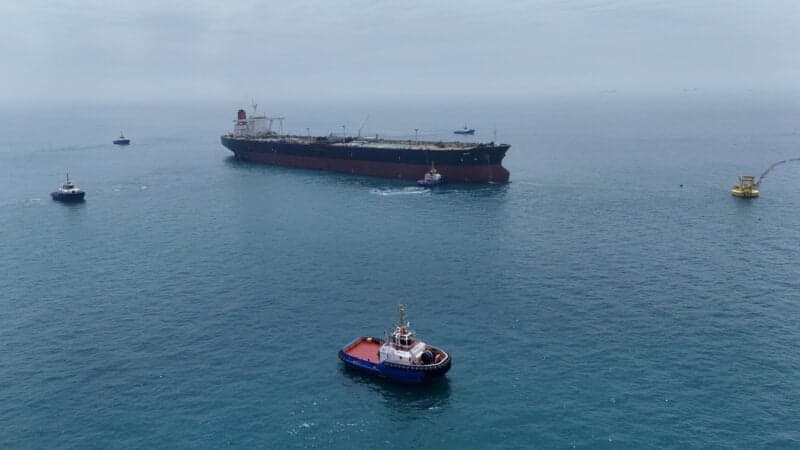
Iraq is currently seeking to charter a minimum of two Very Large Crude Carriers (VLCCs), or supertankers, to facilitate its oil exports through the Strait of Hormuz. This initiative highlights a broader strategy among major oil-producing nations in the Persian Gulf to enhance their direct control over the transportation of their crude oil, particularly through this vital maritime chokepoint.
This development underscores the continued geopolitical importance of the Strait of Hormuz, a narrow passage through which a significant portion of the world's oil supply transits. By acquiring dedicated tanker capacity, Iraq aims to mitigate potential disruptions and ensure the consistent flow of its exports to international markets.
For freight forwarders and logistics professionals involved in the energy sector, this move by Iraq could signal a shift towards more direct control over shipping by state-owned entities or national oil companies. While the immediate impact on general container or dry bulk rates may be limited, it reflects a strategic focus on securing critical supply lines, potentially influencing tanker charter rates and availability in the region. Forwarders managing oil and gas logistics should monitor such tenders as they indicate long-term operational strategies by key producers.
The tender process is underway, with Iraq looking to secure these vessels to manage its crude oil shipments more independently.