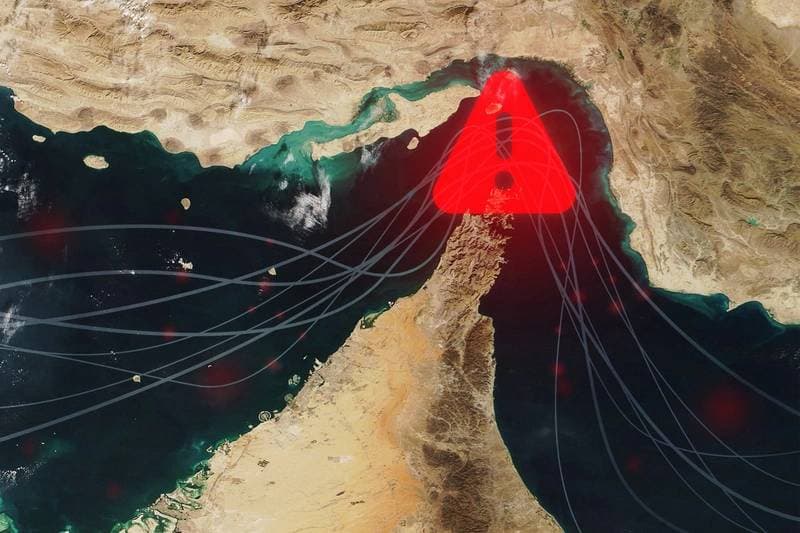
Iran is intensifying efforts to reroute its international trade through northern ports, railways, and land corridors. This strategic shift is a direct response to the ongoing US-led maritime blockade, which has significantly disrupted commerce via its southern maritime gateways. The move accelerates a long-discussed plan by Tehran to diversify its trade arteries.
For freight forwarders and shippers, this development could introduce new routing possibilities, particularly for cargo destined for or originating from Iran. While the primary impact of the blockade has been on sea freight, the expansion of land-based alternatives might offer more resilient, albeit potentially longer and more complex, transit options. Forwarders should monitor the development of these corridors for potential implications on lead times, costs, and customs procedures for shipments involving the region.