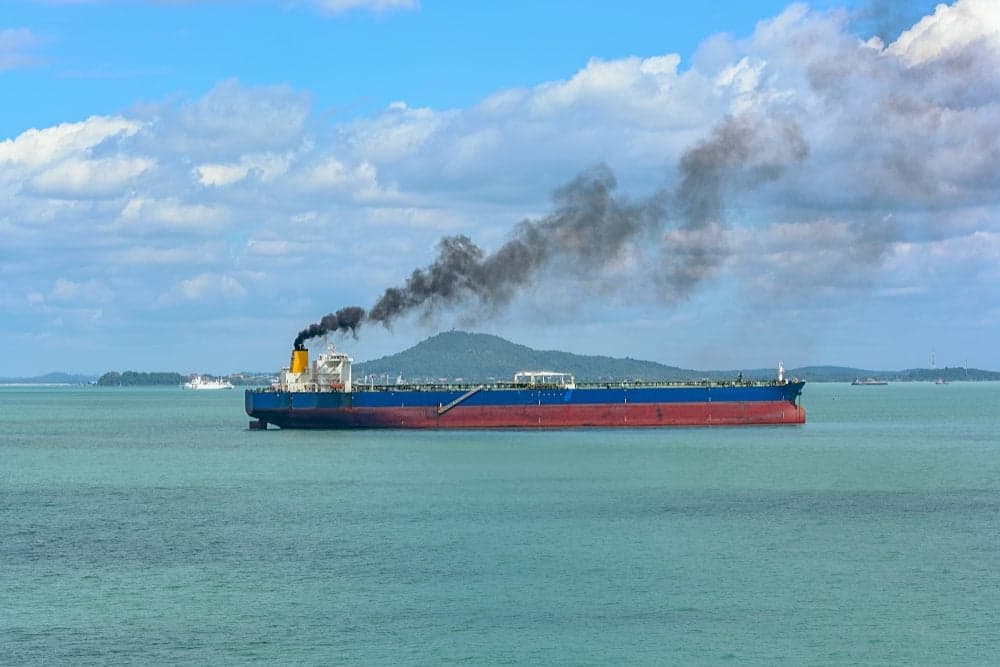
The International Maritime Organization's (IMO) Net-Zero Framework for decarbonizing global shipping has emerged mostly unchanged following a recent round of climate talks. This outcome occurred despite significant pressure from the United States and several oil-producing countries, who advocated for less stringent environmental regulations within the framework.
This framework is crucial for the maritime industry as it sets the targets and mechanisms for reducing greenhouse gas emissions from international shipping. For freight forwarders and logistics professionals, the stability of this framework provides some clarity regarding future operational requirements and potential costs associated with cleaner fuels and technologies. Continued adherence to these ambitious targets will likely drive investment in alternative fuels and more efficient vessel designs, potentially impacting bunker prices and vessel availability in the long term. Forwarders should monitor regulatory developments closely as these will influence carrier strategies and ultimately, freight rates and service offerings.
The IMO's commitment to its existing framework suggests a continued push towards a greener shipping industry. Future discussions will likely focus on the implementation details and specific measures to achieve the agreed-upon emission reduction goals.