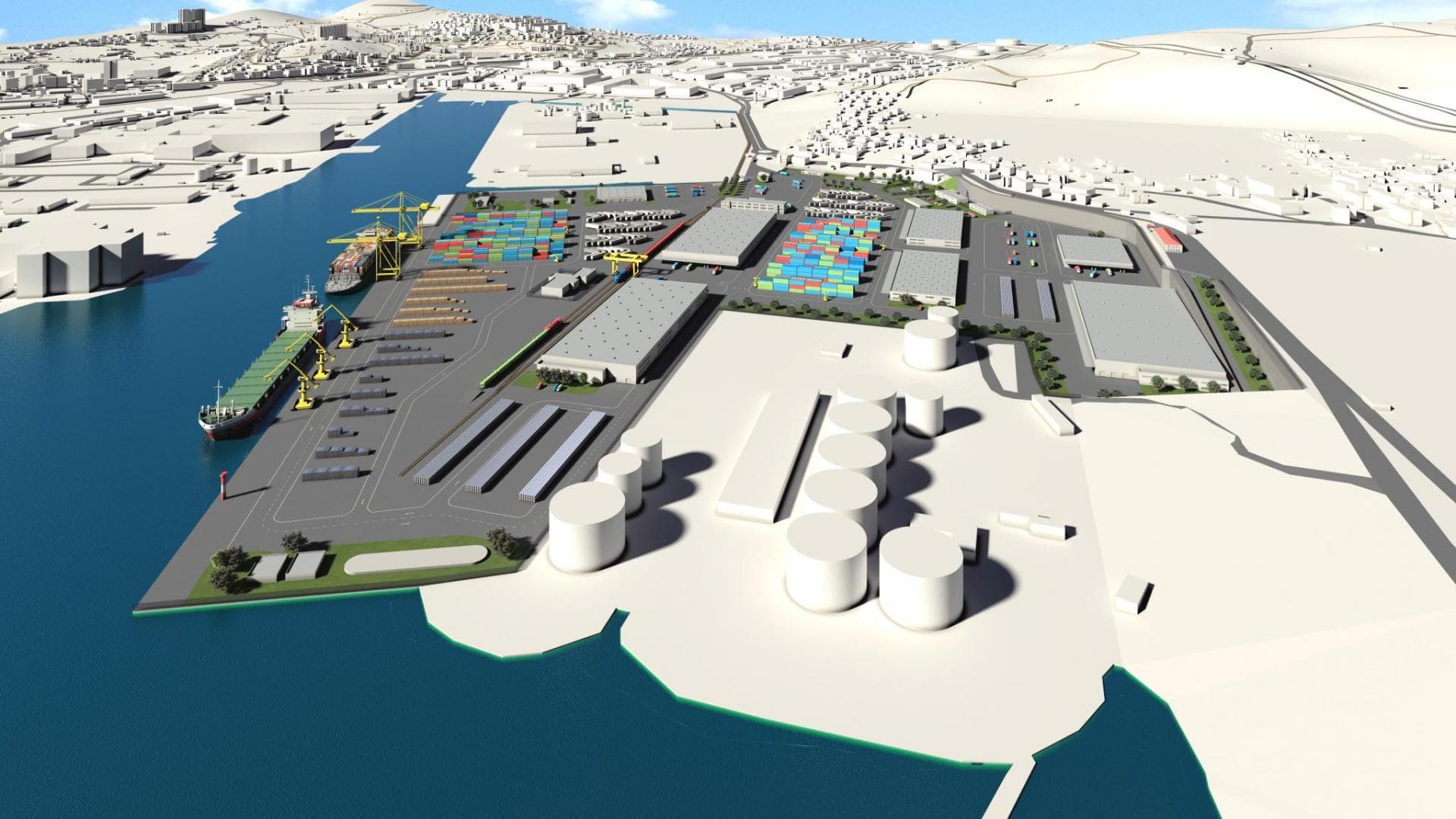
Hungary's Ministry of Transport has initiated a review of its plans to construct a dedicated terminal at the port of Trieste in Italy. This development suggests a potential shift or re-evaluation of the project's scope, timeline, or feasibility.
The original proposal aimed to enhance Hungary's access to a major Adriatic port, facilitating direct rail-sea intermodal links for Hungarian exports and imports. Such a terminal would provide a strategic gateway, reducing reliance on other European ports and potentially streamlining supply chains for Central European trade.
For freight forwarders and shippers, this review introduces uncertainty regarding future intermodal routing options. A delay or cancellation of the Trieste terminal could mean continued reliance on existing, potentially more congested, port infrastructure and rail corridors. Conversely, a revised plan might optimize the project for better efficiency or capacity, which could benefit forwarders in the long term by offering improved transit times and cost efficiencies for cargo moving between Hungary and global markets via the Adriatic. Forwarders should monitor updates closely to anticipate any changes in port connectivity and adjust their network planning accordingly.
The article does not specify the reasons for the review or any potential new timelines.