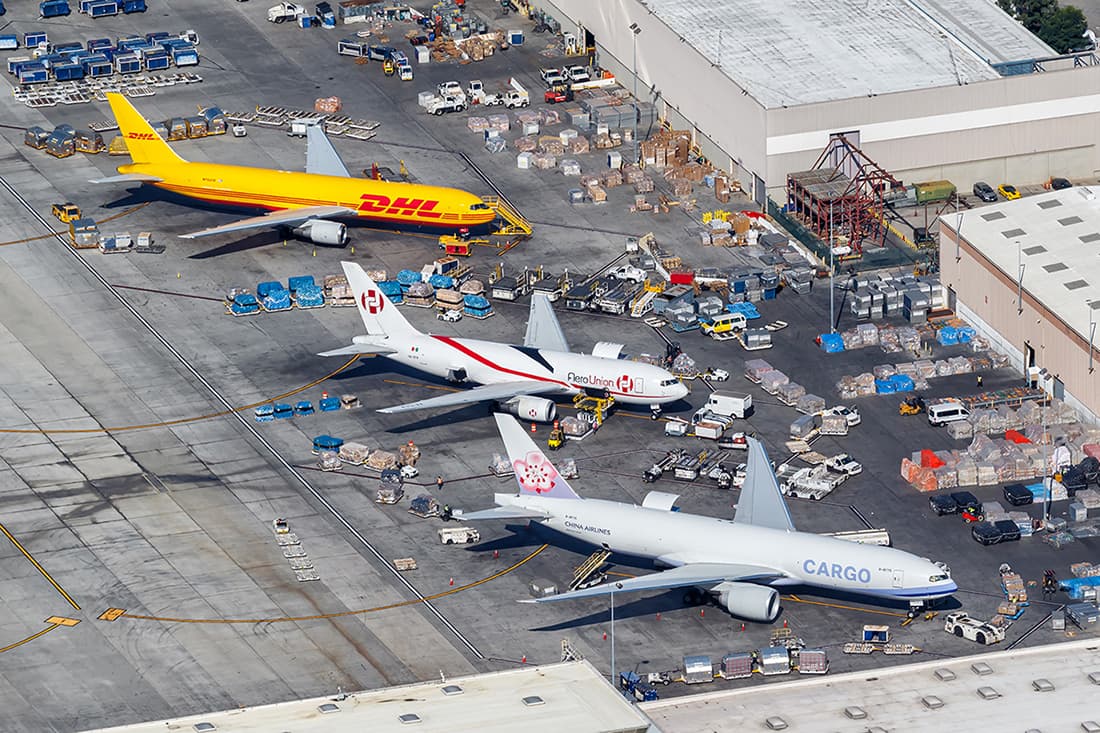
The American airfreight industry is experiencing considerable financial strain and operational difficulties stemming from elevated employee turnover within its ground handling divisions. While expanding physical infrastructure like aircraft fleets, warehouses, and ramp capacity can be achieved with relative speed, the process of recruiting, vetting, and retaining skilled ground personnel is far more protracted and complex.
Ground staff, particularly those involved in screening and security, must undergo rigorous background checks, obtain specific licenses, acquire airport badging, and complete specialized training programs. This extensive onboarding process means that when employees leave, the associated costs are amplified. The industry is then forced to cover these gaps through expensive overtime for existing staff, manage operational inefficiencies due to understaffing, and repeatedly invest in training new hires.
For freight forwarders and operations managers, this situation translates into potential delays and reduced reliability in air cargo movements. Staffing shortages at airport ground operations can directly impact turnaround times for aircraft, cargo loading and unloading, and overall processing efficiency. This could lead to longer transit times for airfreight shipments and potentially higher operational costs for forwarders as they navigate these disruptions. The underlying issue of historically lower wages for airport ground staff compared to other sectors further exacerbates the retention problem, suggesting that these challenges may persist.