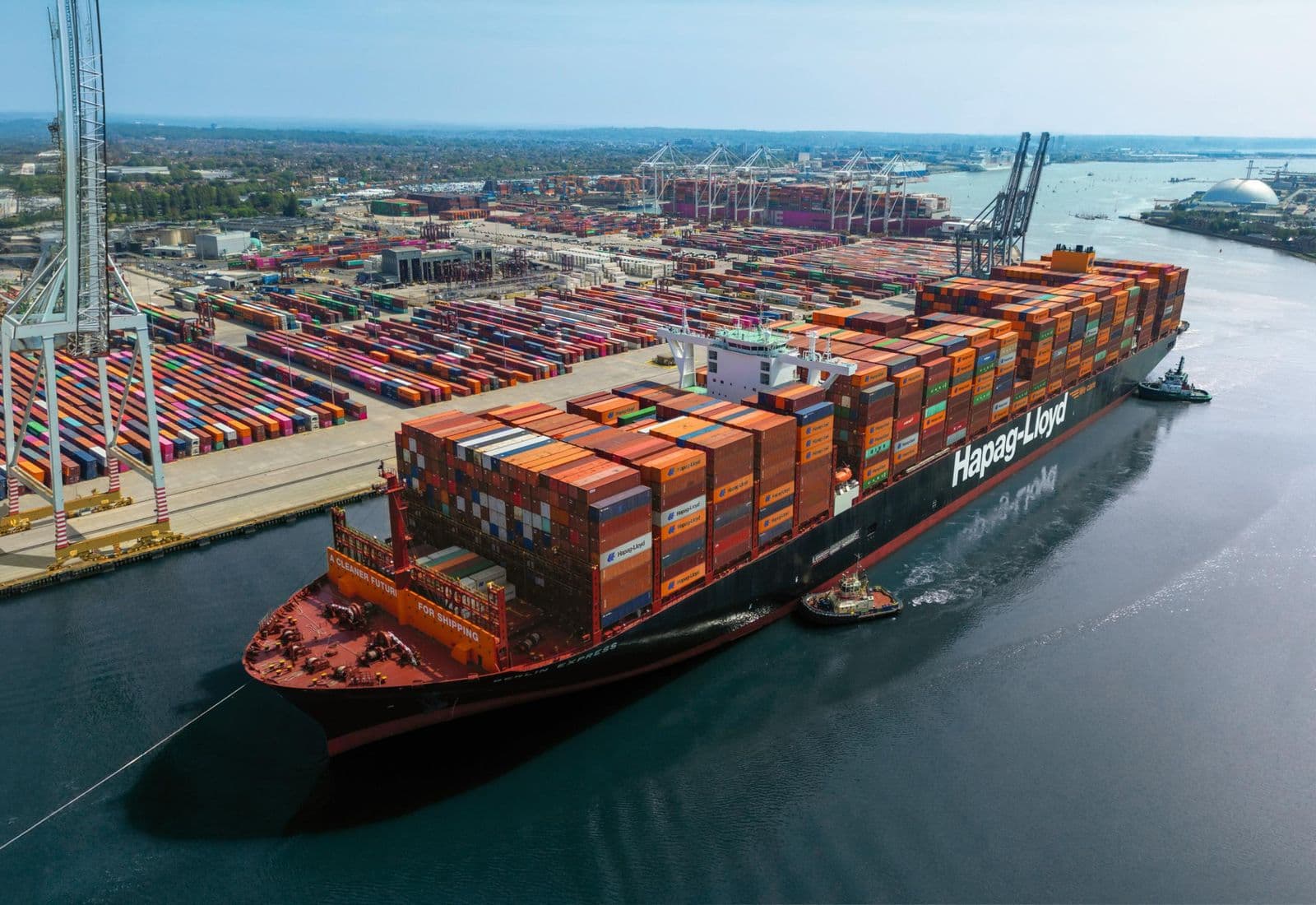
Hapag-Lloyd is reportedly planning to resume using the Suez Canal and Red Sea for its TPI service, which connects India with the US East Coast. This move would reverse the longer routing around the Cape of Good Hope that many carriers adopted due to security concerns in the Red Sea.
The decision comes amidst growing pressure within the shipping industry, as several of Hapag-Lloyd's competitors have already opted to return their services to the Suez route. The Red Sea and Suez Canal offer a significantly shorter transit time compared to the Cape of Good Hope, which can impact vessel schedules and fuel consumption.
For freight forwarders and shippers, the return to the Suez Canal route for this service is likely to result in reduced transit times for cargo moving between India and the US East Coast. This could lead to improved schedule reliability and potentially lower operational costs for carriers, which might eventually translate into more stable or even reduced freight rates on this specific trade lane. However, the ongoing security situation in the Red Sea remains a factor, and any future disruptions could quickly force a re-evaluation of routing strategies.