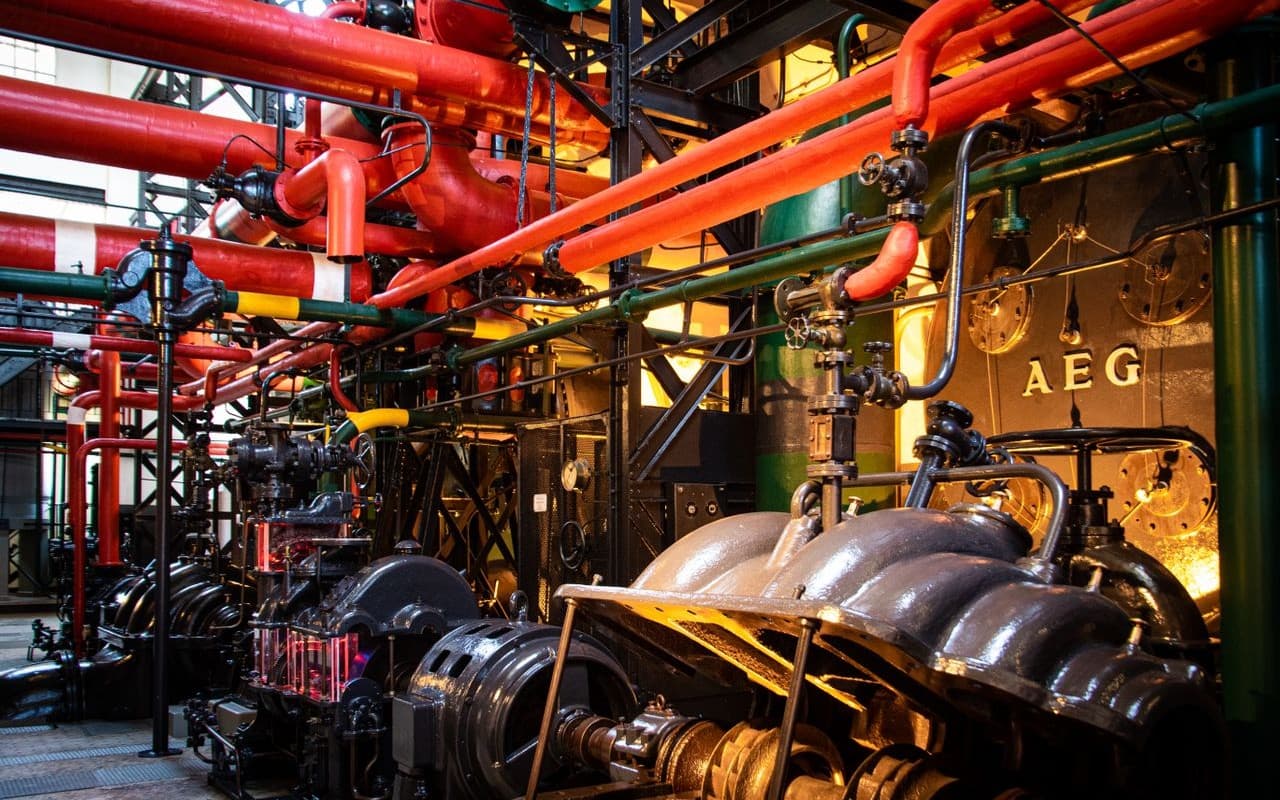
Germany's machinery industry is experiencing a significant downturn, which is now raising concerns about future supply chain stability, particularly for project cargo. While new orders are beginning to show improvement, the prolonged slump has led to a reduction in manufacturing capacity among suppliers. This diminished industrial base could result in bottlenecks for oversized and heavy-lift shipments as the German industrial cycle eventually recovers.
For freight forwarders and operations managers, this situation signals potential challenges in sourcing critical components and machinery from Germany. Reduced supplier capacity could translate into longer lead times, increased costs, and fewer options for specialized equipment required for large-scale industrial projects. Forwarders should anticipate possible delays and capacity constraints for German-origin project cargo, necessitating earlier planning and potentially exploring alternative sourcing regions or transport solutions.
The shift in industrial capacity highlights a broader supply chain risk where a recovery in demand might outpace the ability of the manufacturing sector to respond efficiently, especially for complex and high-value project cargo.