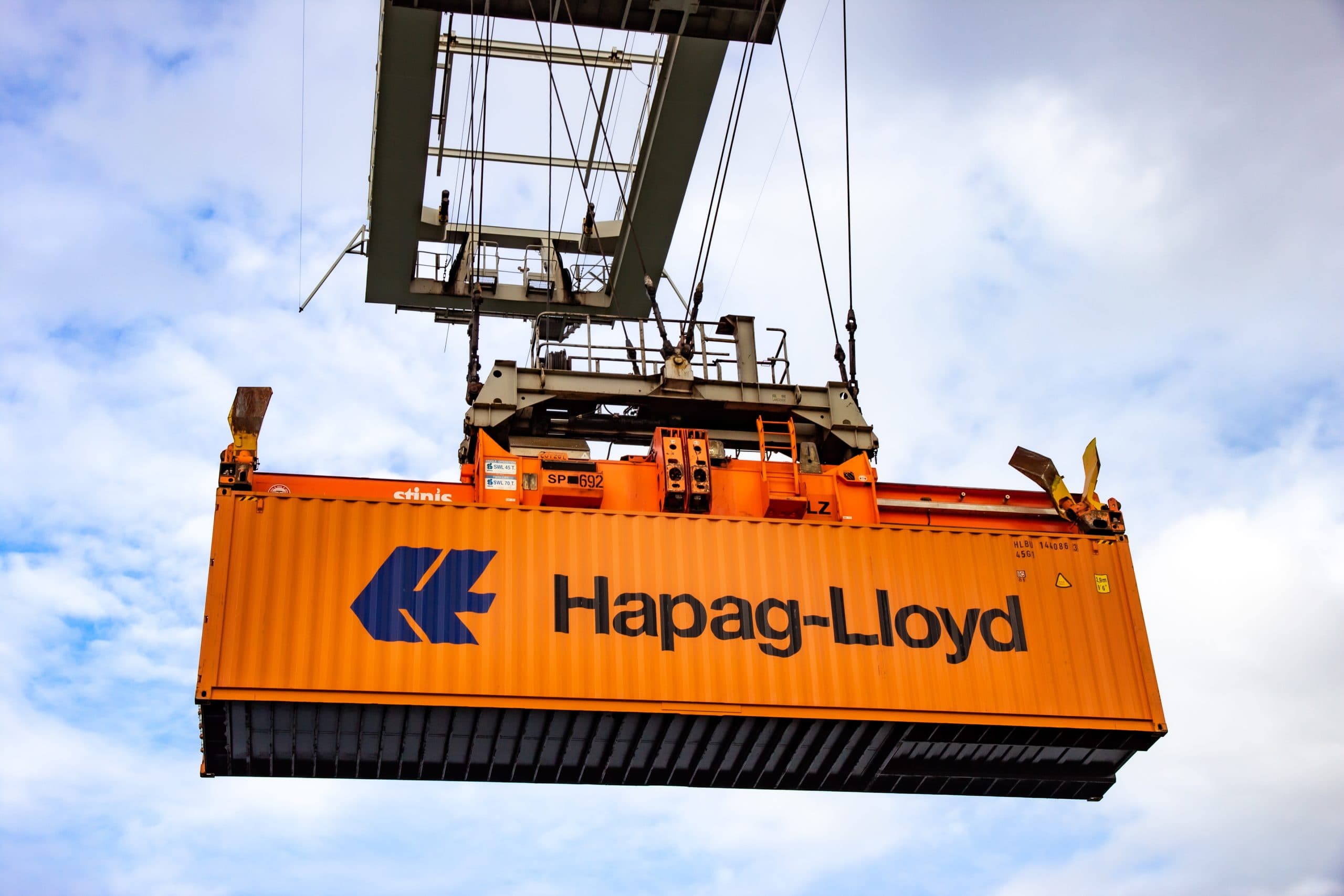
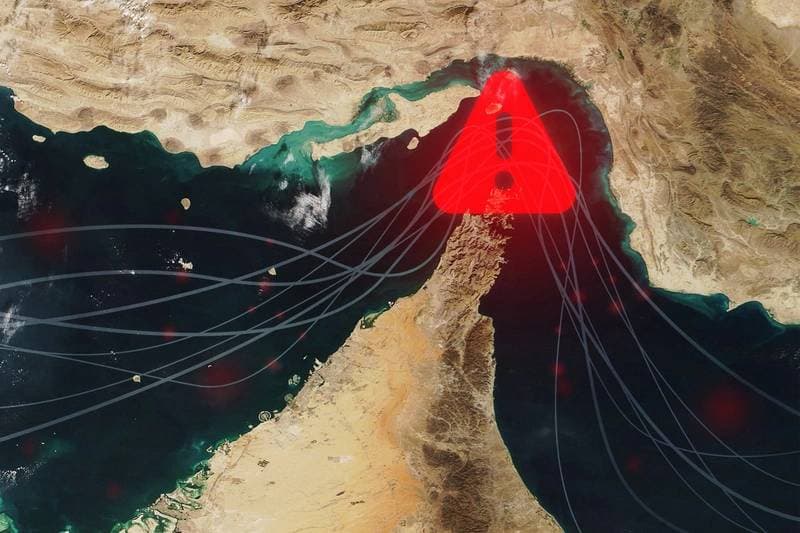
Shipper representatives have voiced considerable concern following the announcement by the Gemini Cooperation, formed by Maersk and Hapag-Lloyd, to resume vessel transits through the Red Sea. The primary apprehension stems from the apparent lack of prior engagement or discussions with Houthi rebels regarding the safety of these vessels. This decision has reportedly caught shippers off guard, leading to calls for greater transparency and assurances regarding the security protocols in place.
For freight forwarders and shippers, this situation introduces renewed uncertainty into critical East-West trade lanes. The absence of clear communication with the Houthi group could expose vessels and cargo to ongoing threats, potentially leading to increased war risk premiums, further transit delays, and disruptions to scheduled services. Forwarders will need to closely monitor carrier advisories and assess the impact on transit times and costs, particularly for time-sensitive or high-value cargo. The stability of vessel schedules and the reliability of capacity could be significantly affected if security incidents re-emerge in the region.