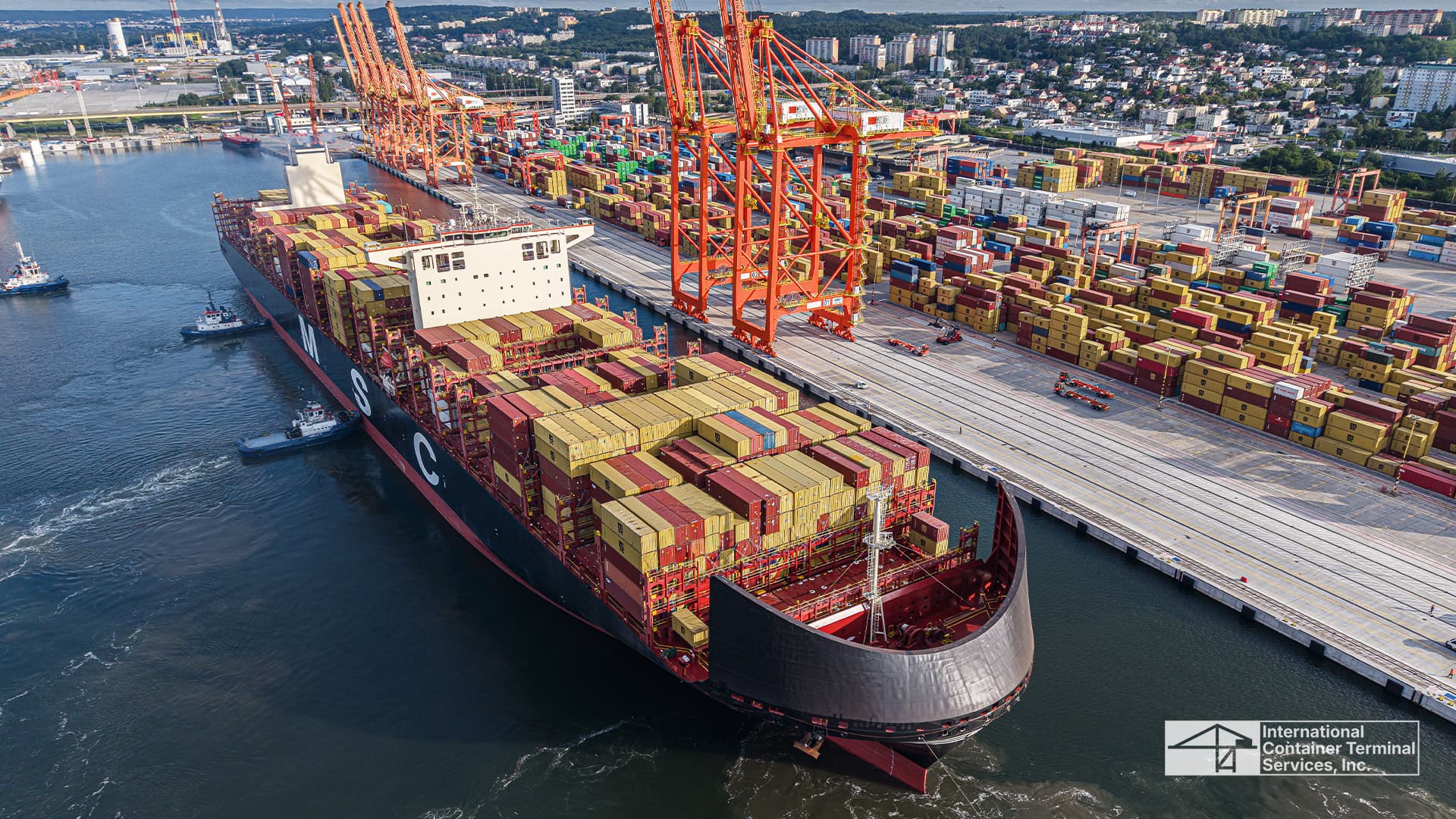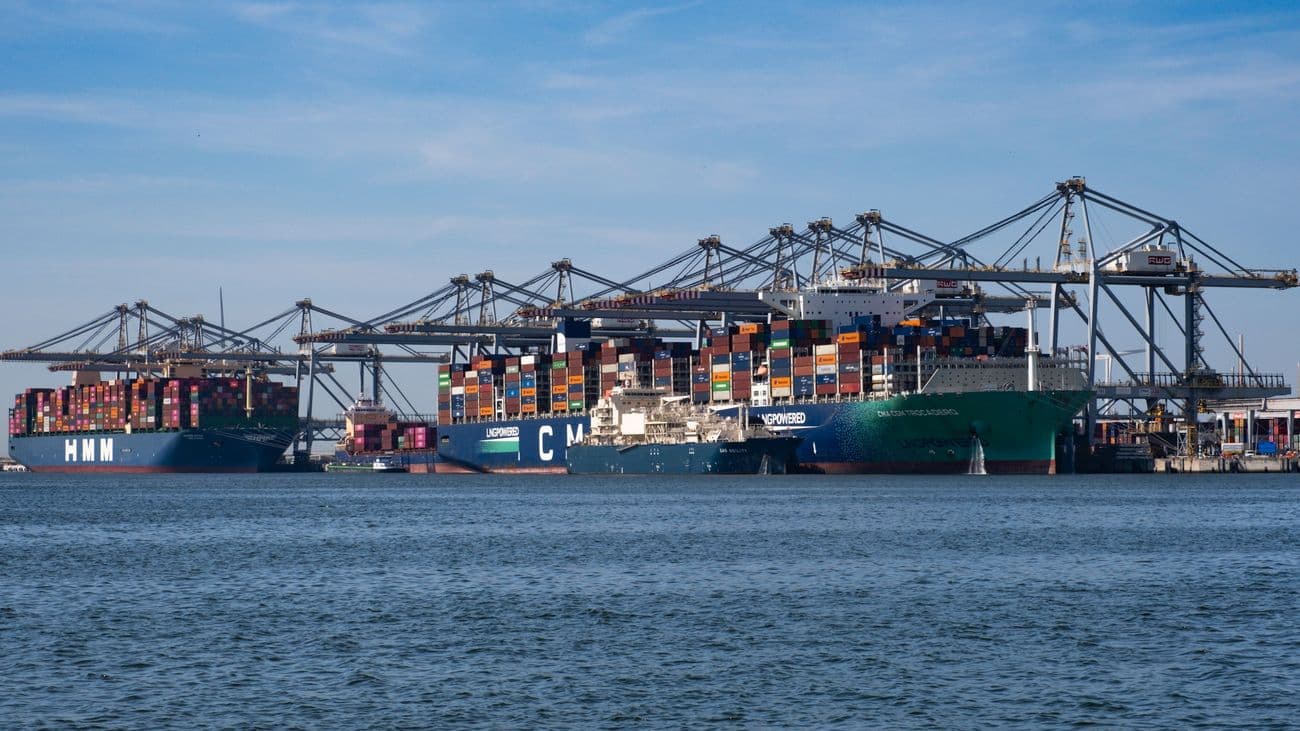
In the first half of 2026, the collective container volume handled by the major European ports of Rotterdam, Antwerp-Bruges, and Hamburg saw a reduction of 1.5% compared to the previous year. This decline was highlighted in the latest Top 15 European container ports ranking. Conversely, ports such as Gdansk and Wilhelmshaven reported leading growth figures within the same period.
For freight forwarders and operations managers, this trend suggests a potential redistribution of cargo flows within Europe. The growth in ports like Gdansk and Wilhelmshaven could offer alternative routing options, potentially impacting transit times and costs, especially for cargo destined for or originating from Central and Eastern Europe. Forwarders should monitor capacity and connectivity developments at these growing ports to optimize their supply chain strategies and potentially leverage new gateways to avoid congestion or delays at traditionally larger hubs.