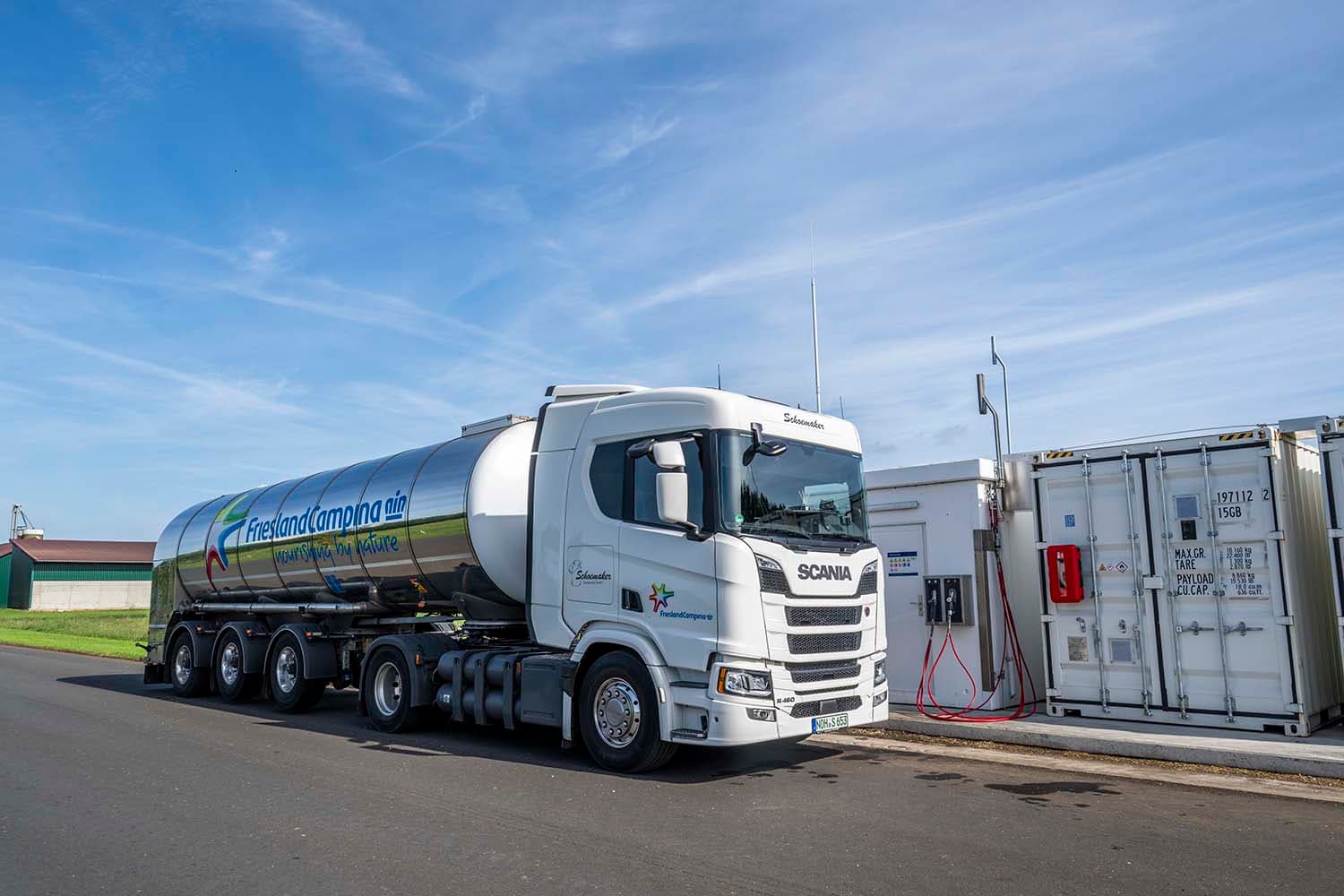
FrieslandCampina, a major dairy cooperative, has formed an alliance with seven transport firms across the Netherlands and Germany to enhance the sustainability of its milk transportation. The collaboration focuses on replacing existing vehicles with trucks powered by biomethane (bio-CNG) as part of their fleet renewal strategy. This transition is projected to encompass about 50% of their total transport fleet over the next few years.
This move by FrieslandCampina reflects a growing trend among large shippers to decarbonize their supply chains, particularly in road transport which often accounts for a significant portion of Scope 3 emissions. By investing in bio-CNG vehicles, the company aims to reduce its environmental footprint and meet sustainability targets.
For freight forwarders and logistics managers, this development signals an increasing demand for green logistics solutions and alternative fuel vehicles. Shippers like FrieslandCampina will likely prioritize carriers and partners who can offer lower-emission transport options, potentially influencing contract negotiations and tender processes. Forwarders should assess their own fleet capabilities or partner networks to ensure they can meet such evolving client requirements, especially for clients with ambitious sustainability goals. The adoption of bio-CNG could also lead to more stable fuel costs compared to conventional diesel, although initial investment in compatible vehicles might be higher.