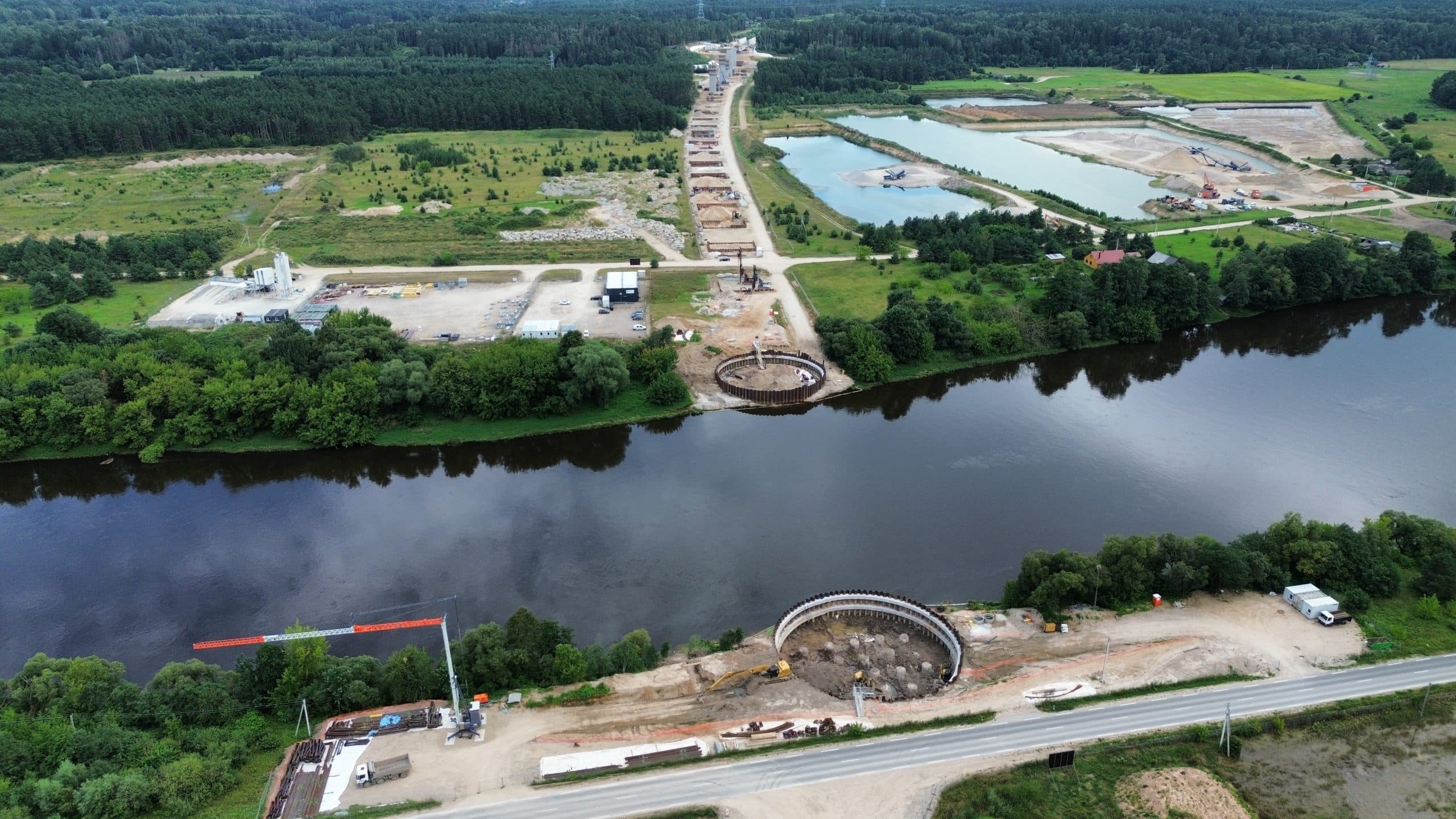
Many European railway networks have suffered from prolonged underinvestment, rendering them inadequate for contemporary freight and passenger transport requirements. Decades of neglect have resulted in obsolete infrastructure, creating a pressing need for comprehensive modernization.
To address these deficiencies, large-scale rail projects are being proposed and considered across the continent. These initiatives aim to enhance capacity, improve operational efficiency, and integrate national networks more effectively, thereby supporting economic growth and sustainable transport goals.
For freight forwarders and logistics professionals, the current state of European rail infrastructure often translates to slower transit times, limited capacity, and less reliable services compared to other modes. Modernization efforts, if successfully implemented, could significantly improve intermodal options, reduce lead times, and offer more competitive alternatives to road transport. This would particularly benefit long-haul freight and environmentally conscious supply chains, potentially leading to shifts in routing and modal split.
Future developments will likely focus on securing funding, overcoming regulatory hurdles, and coordinating cross-border projects to create a more cohesive and efficient European rail network.