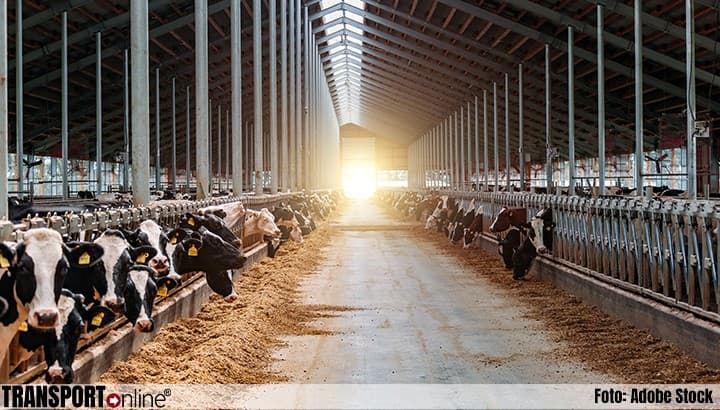
The Dutch Planbureau voor de Leefomgeving (PBL), a national environmental assessment agency, has concluded that a forced reduction in the country's livestock population is presently indispensable to achieve the nitrogen emission reduction targets set for 2035. According to the PBL's analysis of existing plans, the government's objective of decreasing ammonia emissions from agriculture by 42% cannot be met without this intervention.
This finding underscores the ongoing challenge the Netherlands faces in addressing its nitrogen crisis, which has significant environmental implications. The agricultural sector is a major contributor to nitrogen emissions, primarily through ammonia from livestock farming. Previous efforts and proposed measures have evidently not been sufficient to put the country on track to meet its ambitious environmental goals.
For freight forwarders and logistics professionals, this development signals potential shifts in agricultural production and supply chains within the Netherlands. A reduction in livestock could lead to changes in the volume and type of goods transported, including feed, live animals, and agricultural products. This might affect road transport demand, particularly for specialized carriers serving the agricultural sector. Forwarders should monitor policy developments and potential impacts on inland logistics networks and volumes.
While the article does not specify next steps, the PBL's assessment will likely inform future policy decisions and could lead to more stringent measures or incentives aimed at reducing livestock numbers or improving emission reduction technologies in agriculture.