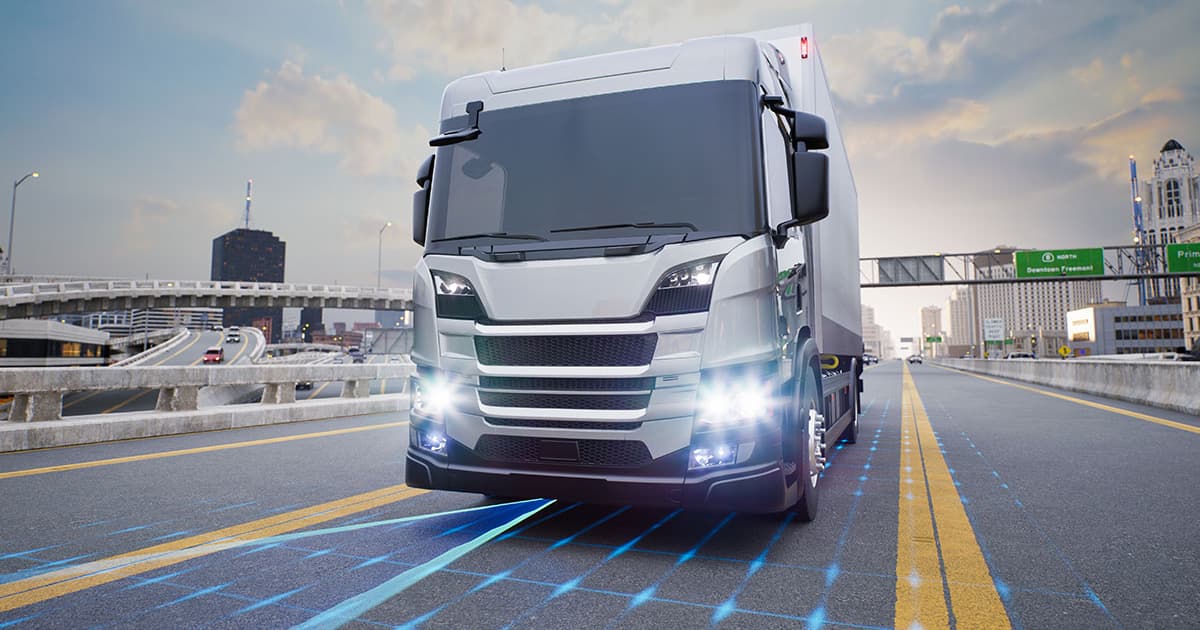
The Department of Transportation (DOT) has issued new federal guidance that outlines a strategy for the expanded deployment of autonomous vehicles. A key directive within this guidance requires the Federal Motor Carrier Safety Administration (FMCSA) to overhaul its existing operational safety regulations. This move is intended to create a more robust regulatory framework that can accommodate the unique aspects of self-driving technology.
Furthermore, the guidance specifically tasks the FMCSA with resolving outstanding questions and developing clear policies concerning the automated surface transportation of hazardous materials. This is a critical area, as the safe handling and movement of such cargo require stringent protocols, which must be adapted for autonomous operations.
For freight forwarders and logistics operations managers, this development signals a future where autonomous trucks could play a more significant role in road freight. While the immediate impact on rates and capacity is not direct, the long-term implications could include increased efficiency, potentially lower operational costs due to reduced labor requirements, and improved safety records. However, the regulatory clarity, especially around hazardous materials, will be crucial for adoption. Forwarders should monitor these regulatory updates closely, as they will dictate the operational parameters and legal responsibilities associated with utilizing autonomous trucking services.