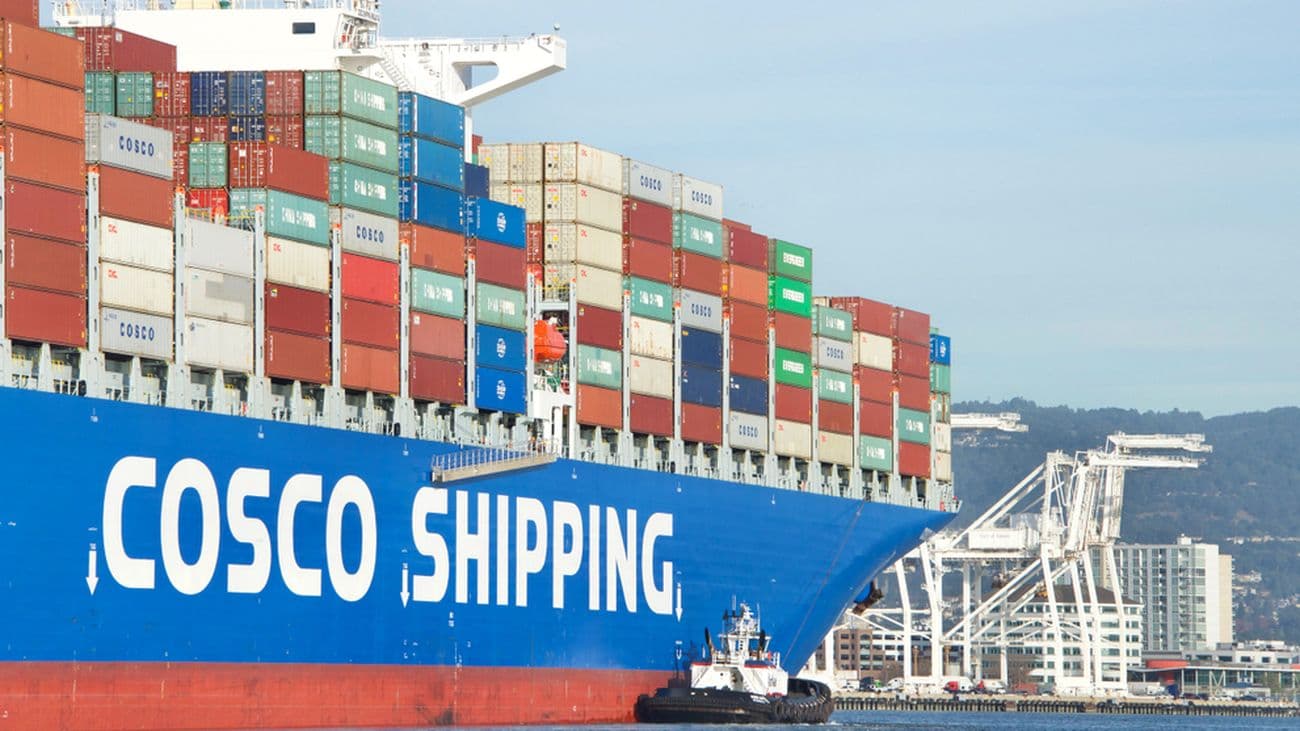
China's state-owned shipping giant, COSCO, has issued a strong denial against accusations from the United States, which suggested that its vessels were engaged in intelligence collection activities for the Chinese government. COSCO characterized these claims as "totally unfounded" and false, emphasizing their lack of factual basis.
This dispute arises in a broader context of heightened geopolitical tensions and increased scrutiny of Chinese state-owned enterprises by Western nations, particularly the US. Concerns regarding data security, espionage, and the dual-use nature of commercial infrastructure have become more prevalent in international relations.
For freight forwarders and shippers, such allegations, even if denied, contribute to an environment of uncertainty and potential operational risks. While there is no immediate direct impact on rates or capacity, persistent geopolitical friction involving major carriers like COSCO could lead to increased regulatory oversight, potential sanctions, or trade restrictions in the future. This might necessitate more rigorous due diligence on carrier selection and route planning, especially for sensitive cargo or trade lanes involving the US and China. It also highlights the growing importance of supply chain resilience and diversification to mitigate risks associated with geopolitical disputes.
COSCO's firm denial suggests that the company intends to vigorously defend its reputation and operational integrity against such claims, although the US government has not yet publicly withdrawn its allegations. The situation will likely remain a point of contention in US-China relations.