The air cargo industry's current security protocols, which largely depend on checkpoint-based tracking, are revealing significant vulnerabilities. This approach often provides information on a shipment's expected location but lacks real-time verification of the physical cargo's integrity. High-value cargo theft is increasingly exploiting these blind spots, with criminals employing advanced tactics such as impersonation, fraudulent documentation, insider collaboration, and cyber-enabled schemes to divert goods before any discrepancy is detected.
For freight forwarders and operations managers, this means an elevated risk of cargo loss, particularly for high-value shipments. The current system's limitations can lead to delays in identifying theft, complicating recovery efforts and increasing insurance claims. Forwarders must recognize that traditional tracking methods may not provide adequate protection against sophisticated criminal enterprises. This situation underscores the need for enhanced security protocols and technologies that offer more granular, continuous visibility.
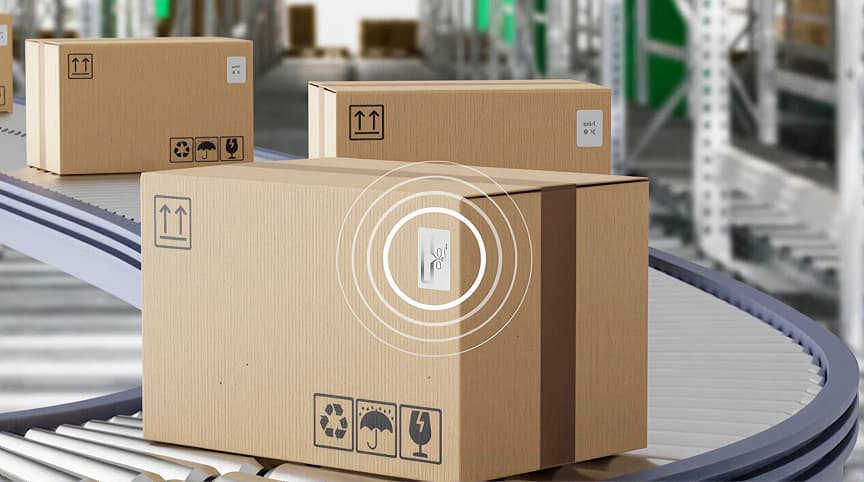
Moving forward, the industry is looking towards solutions that provide continuous, item-level visibility. Such advancements could transform cargo security by enabling real-time monitoring of goods throughout their journey, from origin to destination. This shift would allow for immediate detection of unauthorized access or diversion, significantly reducing the window of opportunity for theft and improving the chances of cargo recovery. Implementing these technologies will be crucial for mitigating risks and ensuring the secure transit of valuable freight.