Recent escalations in the conflict between Russia and Ukraine have led to significant disruptions in grain shipments from the Black Sea region. This situation has resulted in the cancellation of several cargo bookings, impacting importers globally, such as a Vietnamese milling company that lost access to a substantial portion of its annual wheat supply.
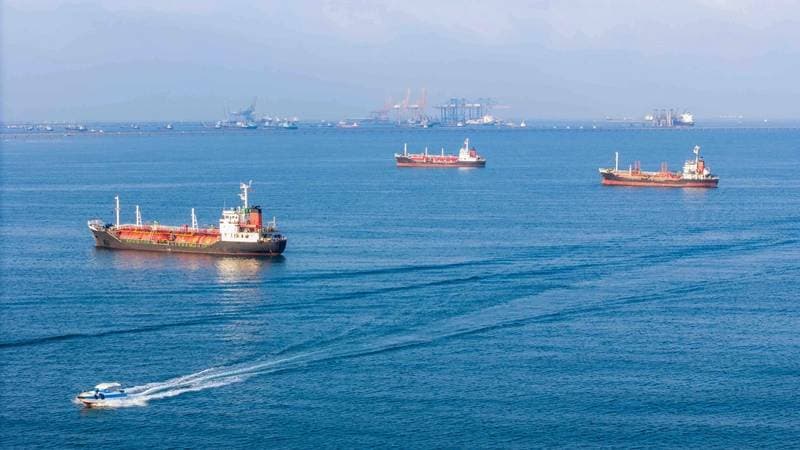
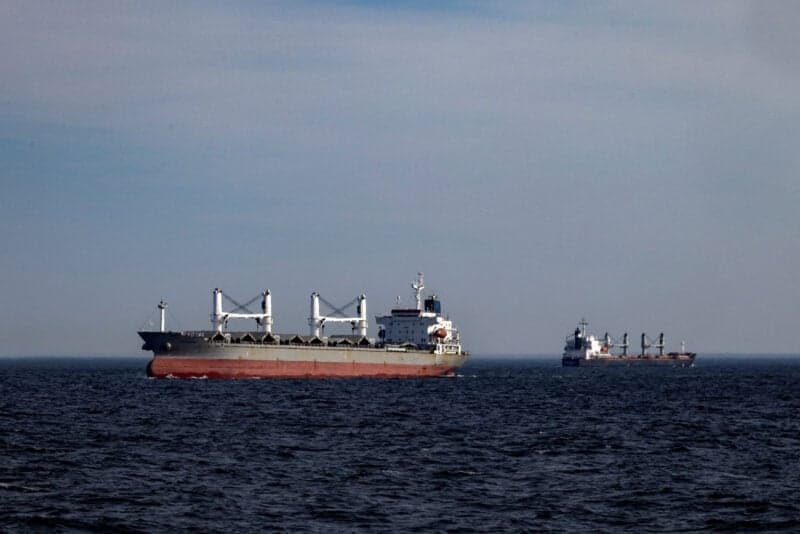
The Black Sea is a critical corridor for agricultural exports, particularly wheat and corn, supplying numerous countries in Asia, Africa, and the Middle East. The ongoing conflict has repeatedly jeopardized the safe passage of commercial vessels, leading to periods of de facto blockade and increased operational risks.
For freight forwarders and shippers, this means heightened uncertainty regarding vessel availability, routing, and insurance premiums for Black Sea transits. Capacity will likely be constrained, and rates for alternative shipping routes or origins could increase. Forwarders must actively monitor geopolitical developments and communicate potential delays or diversions to clients, while exploring contingency plans for sourcing and logistics. The situation underscores the vulnerability of global supply chains to regional conflicts.
While the article does not specify immediate next steps, the continued volatility suggests that the challenges for Black Sea grain exports will persist, requiring ongoing adaptation from the logistics and shipping sectors.