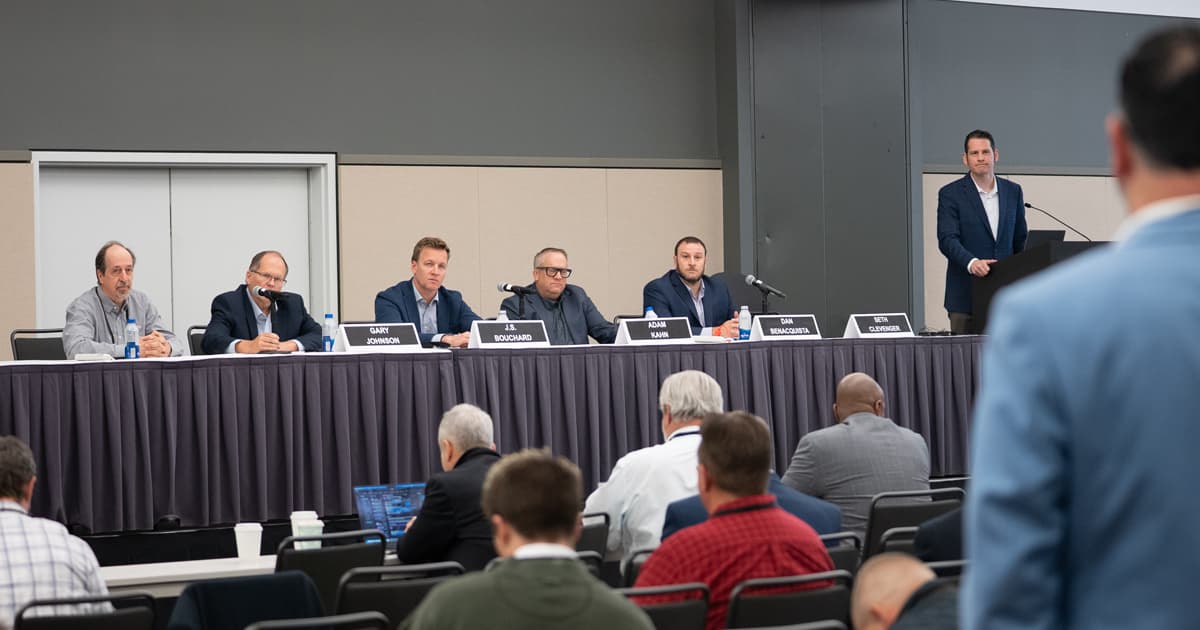
During The AI Summit, discussions among fleet executives and technology providers highlighted the significant impact of artificial intelligence on trucking operations. The primary focus was on how AI is enhancing fleet safety measures and improving driver performance. These advanced systems are designed to provide real-time feedback and coaching to drivers, helping to mitigate risks and improve driving habits proactively.
For freight forwarders and operations managers, the integration of AI in trucking fleets signifies potential improvements in transit reliability and safety. Reduced accident rates through predictive analytics and driver support can lead to fewer delays and lower insurance costs. Furthermore, optimized driver performance might contribute to more efficient fuel consumption and better adherence to schedules, which directly impacts the overall cost and speed of road freight services. This technological shift could also influence capacity management by ensuring a more consistently performing driver pool.