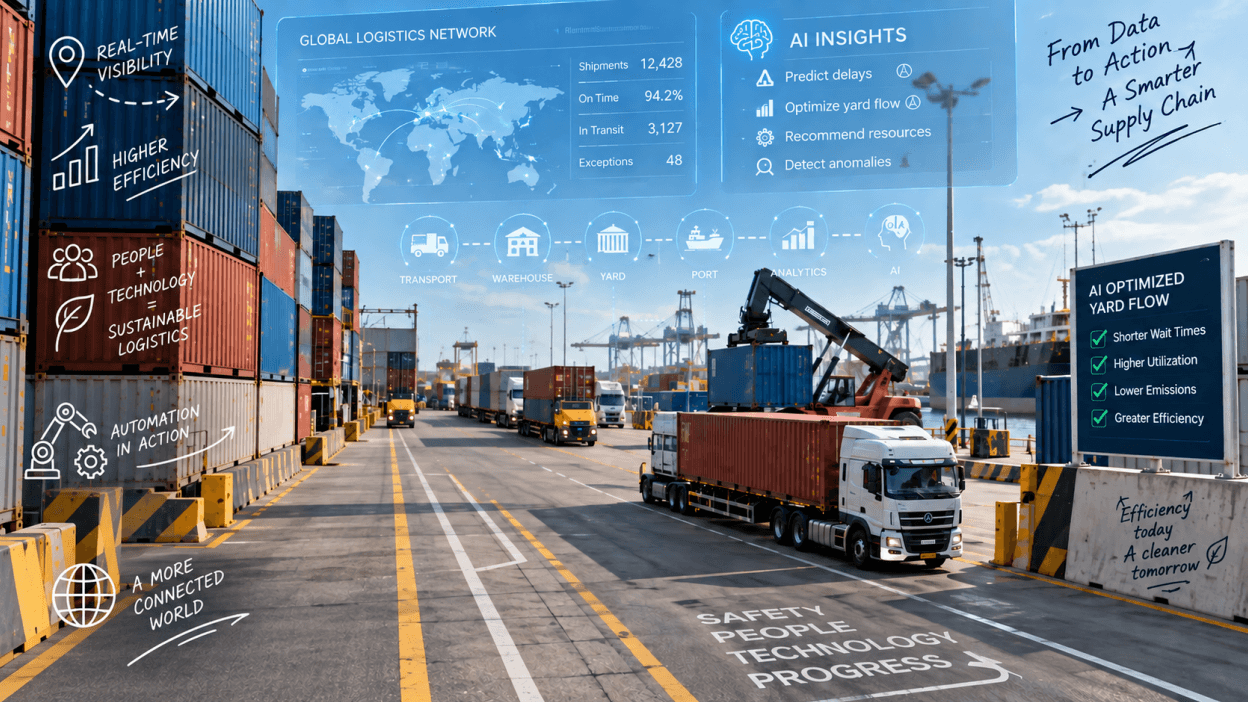
Artificial intelligence is fundamentally changing the logistics landscape, moving past basic data visualization to a model of "connected execution." This new paradigm integrates AI agents, real-time visibility, and advanced orchestration capabilities directly into physical operational processes. The primary benefit is a significantly faster and more agile response to disruptions within the supply chain.
This evolution means that instead of merely reporting on past events, AI systems are now actively involved in managing and optimizing live operations. By connecting various data points and operational layers, these systems can predict potential issues, suggest corrective actions, and even automate certain responses, all while ensuring that human operators retain ultimate control and that all actions comply with established operational constraints.
For freight forwarders and operations managers, this development signifies a move towards more proactive and resilient supply chains. It implies improved decision-making, reduced manual intervention in routine tasks, and a greater ability to adapt to unforeseen challenges like port congestion, capacity shortages, or sudden shifts in demand. The enhanced visibility and automated orchestration could lead to more efficient routing, better capacity utilization, and ultimately, more reliable service delivery for shippers. This technological shift is poised to become a critical differentiator in competitive logistics markets.