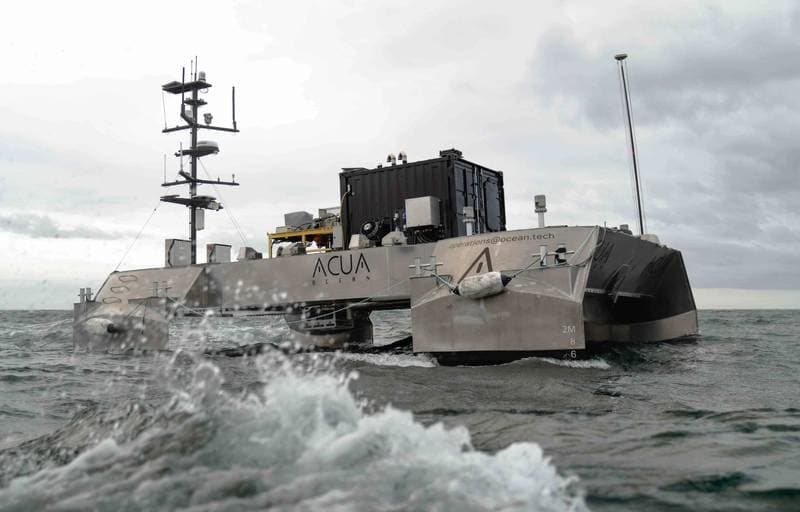
ACUA Ocean, a developer of uncrewed surface vessel (USV) technology for maritime defense and offshore energy, and Forssea Robotics, specializing in remotely operated vehicles (ROVs), have announced the successful integration of their respective technologies. This collaboration marks a significant step in autonomous subsea operations, combining ACUA Ocean's USV platform with Forssea Robotics' ROV capabilities.
The integration is designed to improve efficiency and safety in subsea inspection, maintenance, and intervention tasks. By deploying ROVs from USVs, the need for larger, crewed support vessels can be reduced, leading to operational cost savings and a smaller environmental footprint. This synergy is particularly relevant for complex projects in the offshore energy sector, such as inspecting pipelines, subsea infrastructure, and wind farm foundations, as well as for various maritime defense applications.
For freight forwarders and logistics professionals involved in the offshore energy and defense sectors, this development signifies a potential shift in how specialized equipment and personnel are deployed. While not directly impacting container or general cargo rates, it could influence the demand for project cargo logistics supporting USV and ROV deployments, potentially reducing the need for traditional heavy-lift vessel charters for certain subsea operations. It also highlights an ongoing trend towards automation and remote operations in maritime industries, which may lead to new service requirements for specialized equipment transport and support in the future.