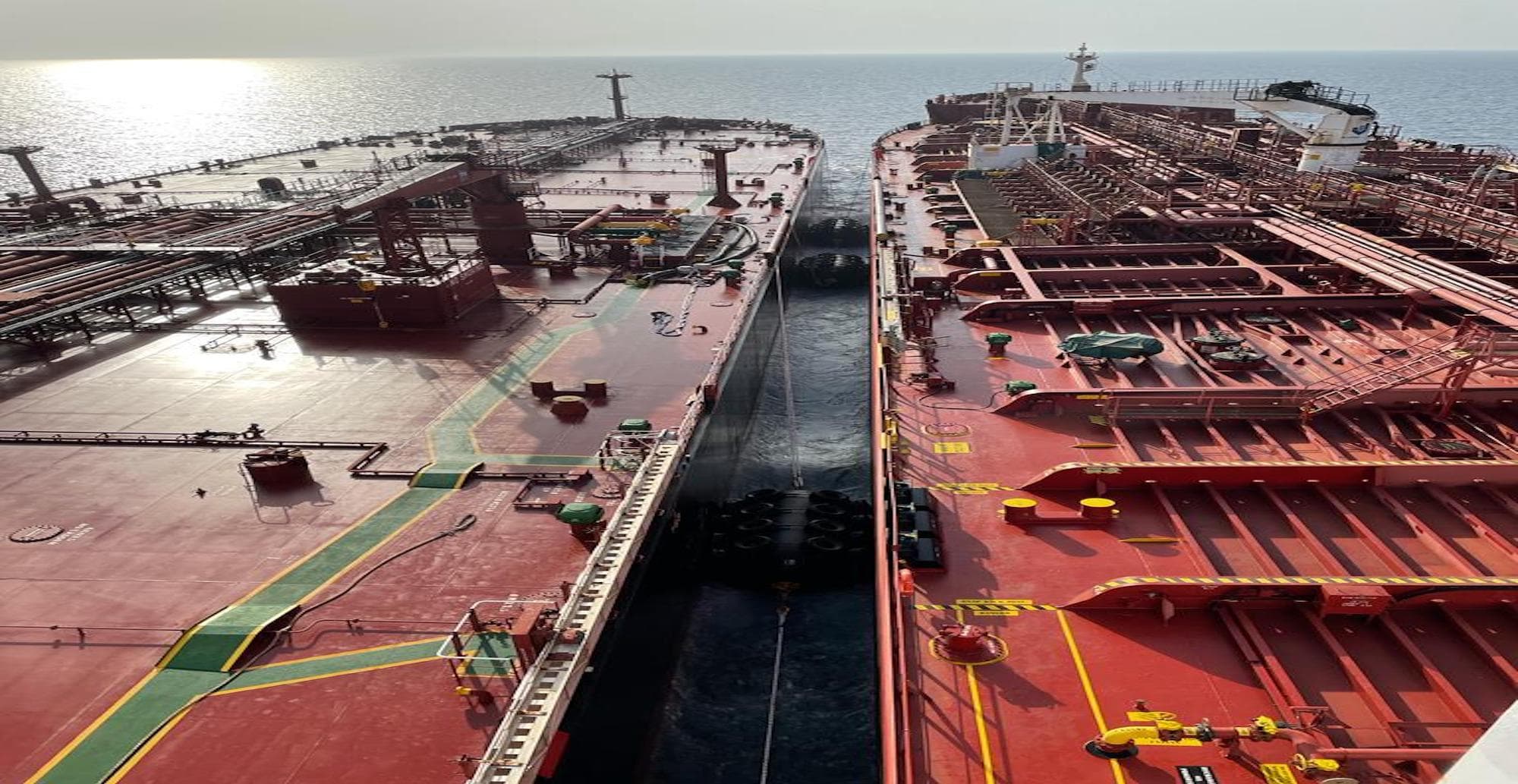
The port of Yanbu in Saudi Arabia has observed a significant increase in tanker movements, marking its highest activity since Houthi-related threats began impacting Red Sea shipping. This surge in traffic coincides with a growing trend of vessels deactivating their Automatic Identification Systems (AIS) while transiting the Bab el-Mandeb chokepoint, a practice often referred to as 'going dark.'
This behavior underscores the ongoing security concerns in the Red Sea, prompting commercial vessels to adopt measures aimed at reducing their visibility and potential targeting. The deactivation of AIS signals, while a security precaution, also complicates maritime tracking and transparency.
For freight forwarders and operations managers, this situation implies several considerations. Increased vessel activity at Yanbu, combined with 'dark' transits through the Bab el-Mandeb, highlights the persistent risks in the Red Sea. Shippers should anticipate potential delays, higher insurance premiums, and continued rerouting decisions by carriers. The lack of AIS data for some vessels also makes real-time tracking more challenging, requiring forwarders to rely on alternative communication channels and contingency planning for shipments passing through this critical waterway.