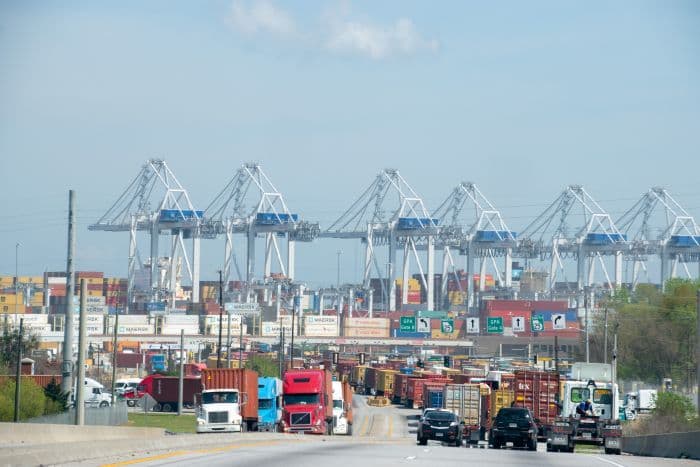
Spot drayage rates at several major US ports have seen an uptick this summer, primarily driven by a robust increase in import container volumes. Shippers are actively frontloading cargo in anticipation of the traditional peak season, leading to a concentrated demand for drayage services.
This heightened demand is placing pressure on an already constrained drayage capacity, resulting in higher spot rates. The tight supply of drayage services means that freight forwarders and shippers are facing increased operational costs for inland transportation from ports to distribution centers. This situation also introduces a greater emphasis on carrier selection, with safety considerations now playing a more prominent role in decision-making processes.
For freight forwarders and ops managers, this development signals potential challenges in securing timely drayage services and managing budgets. It necessitates proactive planning and potentially earlier booking of drayage to mitigate delays and control costs. The focus on safety in carrier selection might also lead to a preference for established drayage providers, potentially further tightening capacity for smaller or newer operators.